
We found the best way to experience Prague is to just walk around. Each turn offers magnificent architecture, views and history. And tourists. The small area of old town Prague is bustling with tourism, and I can understand why. There’s something romantic about Prague that made us feel somewhat giddy during our time there, enjoying the atmosphere as we lounged in the multitude of scenic cafes and bars Prague has to offer, and enjoying the sites and scenery.
Our first night we headed out to experience some of Prague’s interesting cocktail bars. And in the mean time stumbled across our first iconic Prague site.

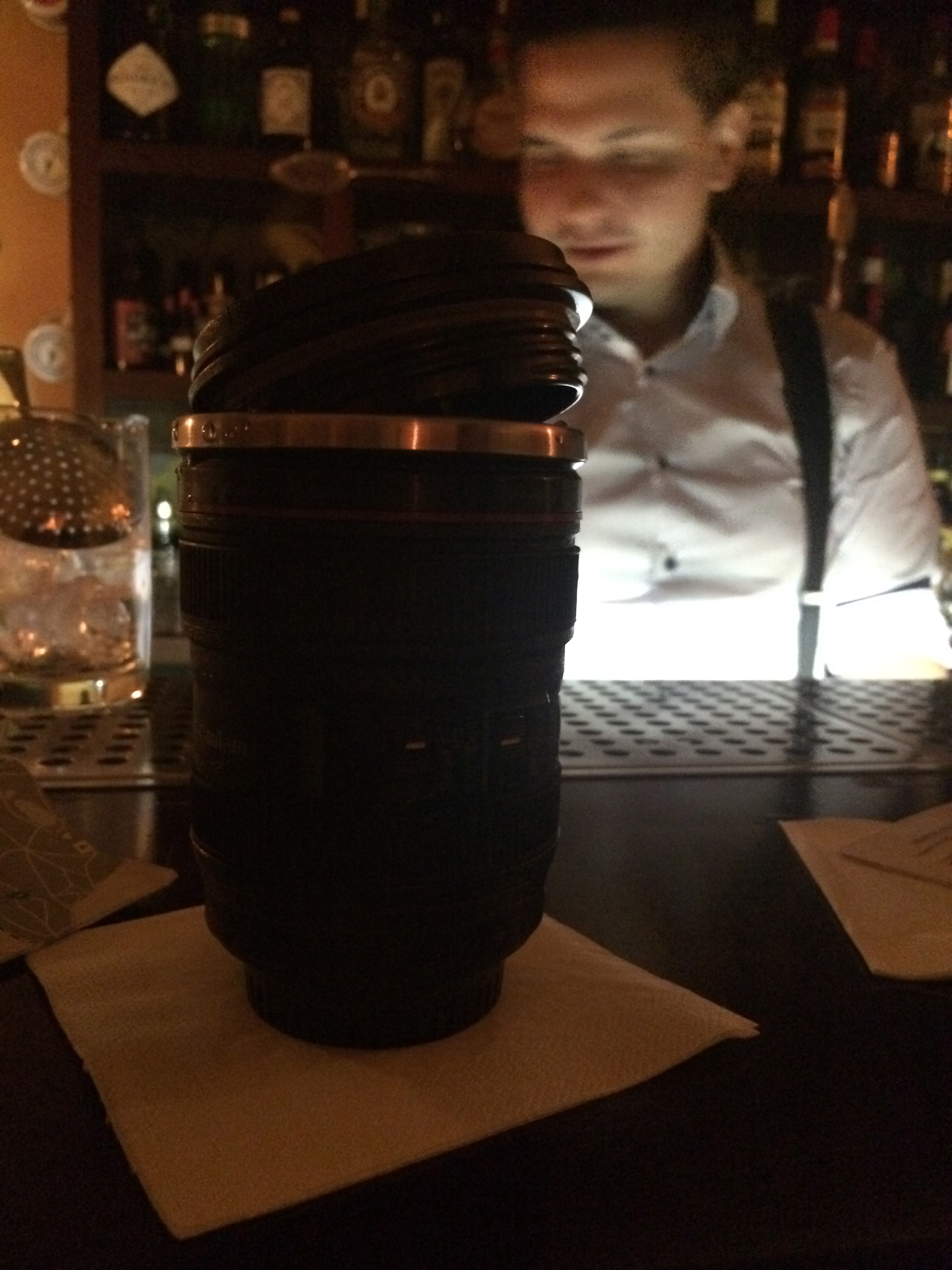
Our first stop was Hemingway Bar, a themed cocktail bar where I was served my drink in lens-inspired mug. Both delicious and entertaining.
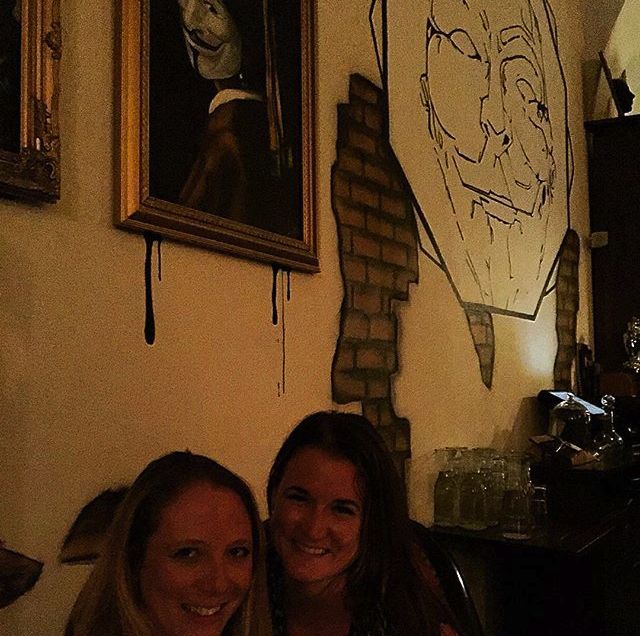
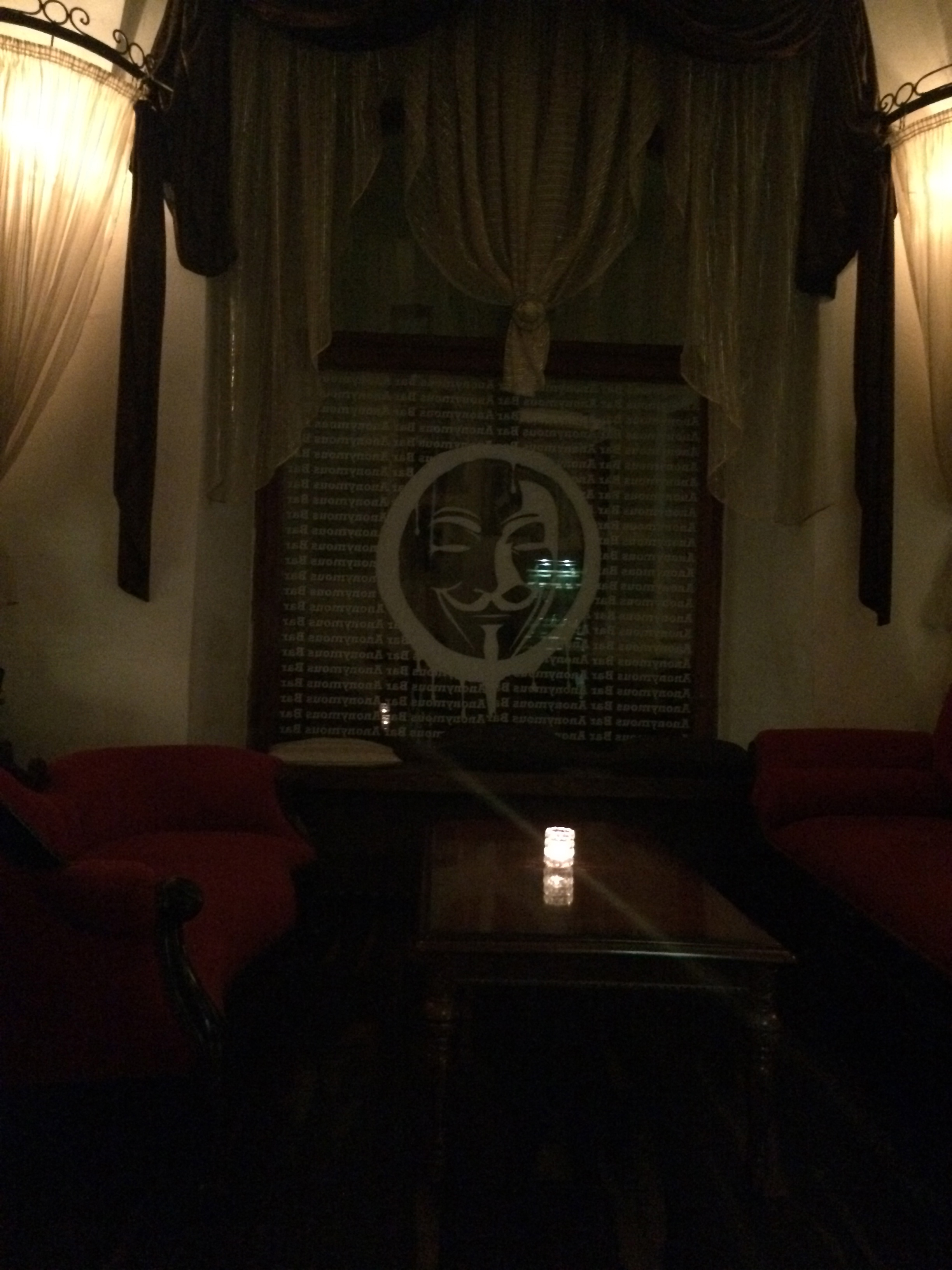
We then made our way to one of our most anticipated Prague stops, AnonymouS Bar. Themed after the AnonymouS Group, famous world-wide internet group that speaks out for freedom of speech and independence of the internet (among other things), this bar offered us into a glimpse of the clandestine world of a secret society.
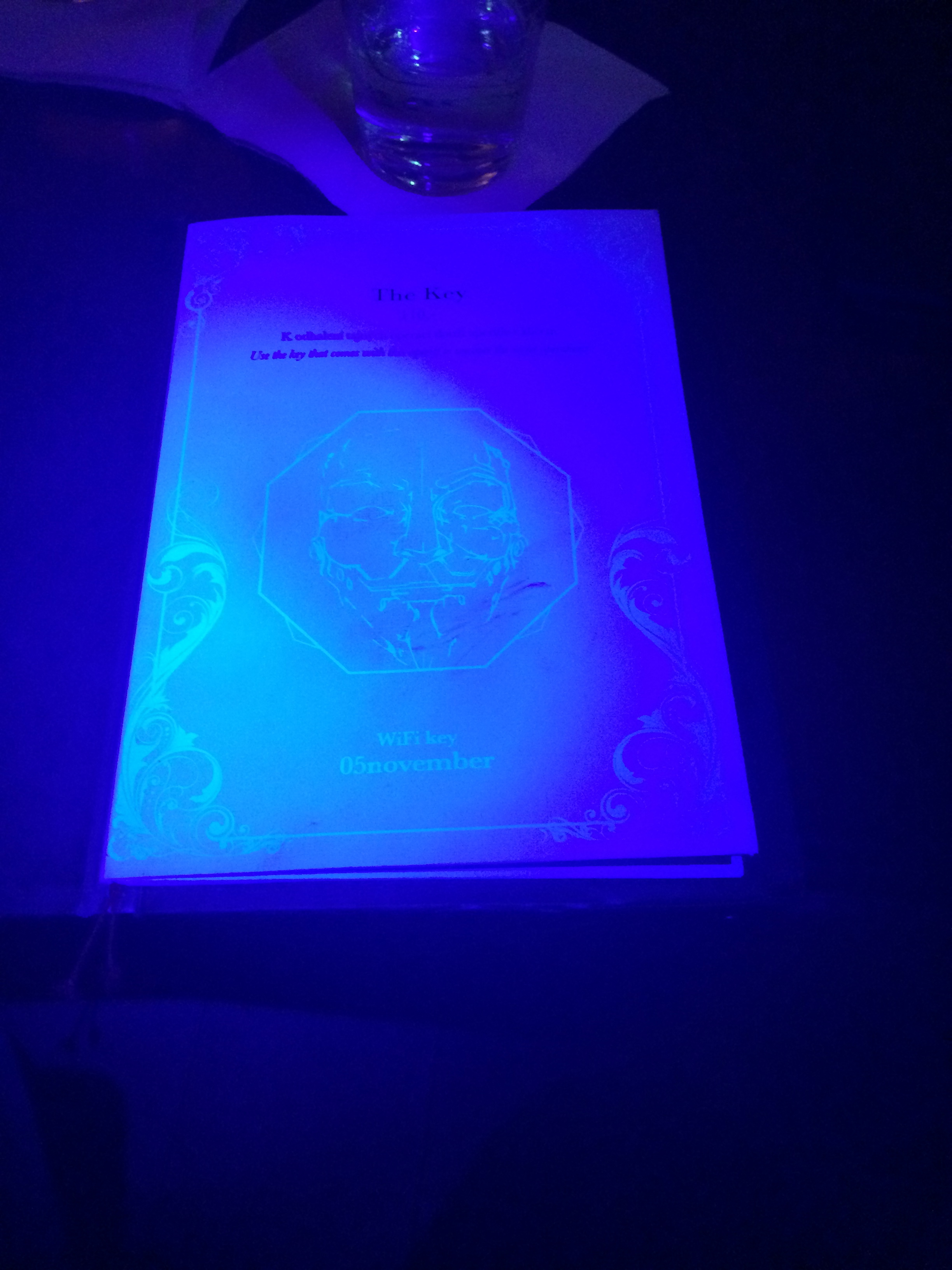
After our initial drink we were offered a ‘key’ to unlock the specialty cocktails on the menu. Reflected using a black light, we chose a few of these hidden drinks. Again we were served in some creative containers – but the drinks were delicious. Our final choice was the ‘Remember’ drink, which includes a fire-show in the cocktail glass and a polaroid shot of our group in the iconic Anonymous masks.

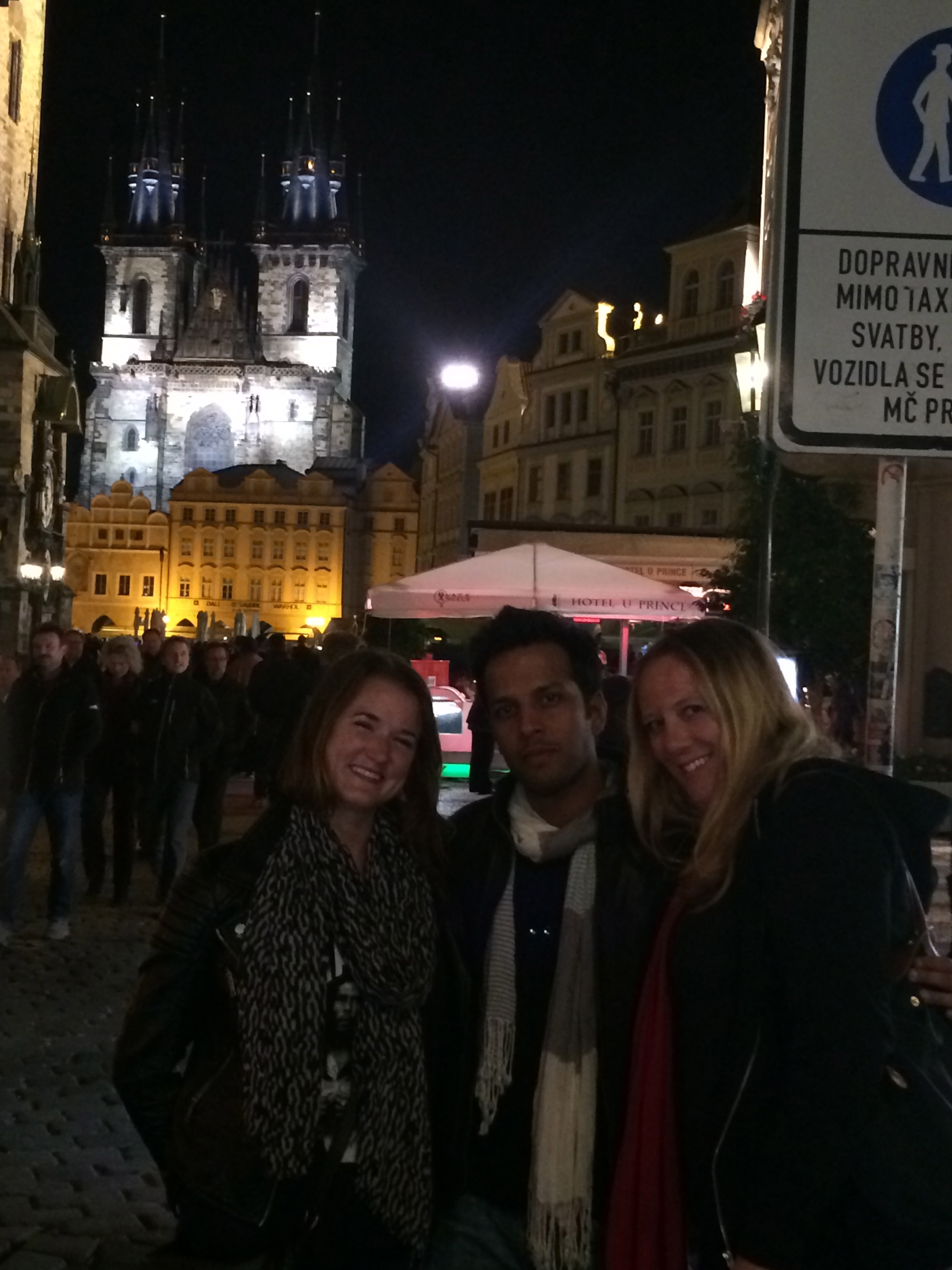
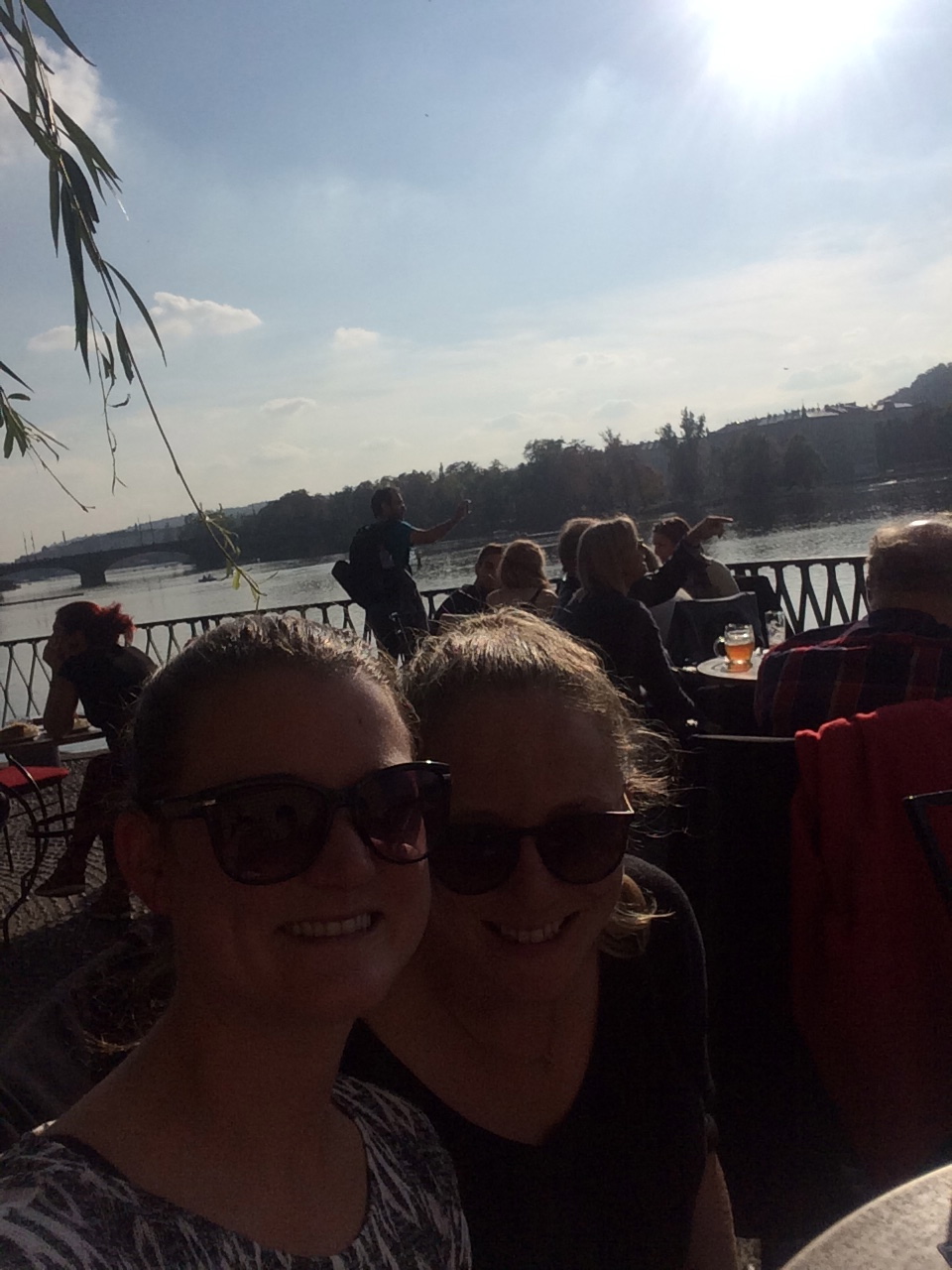
We ended our evening with a stroll through the busy streets of Prague, finding ourselves on a patio overlooking the Charles Bridge and the Prague Castle district. What a beautiful way to cap off our first night in Prague, and start another amazing week!

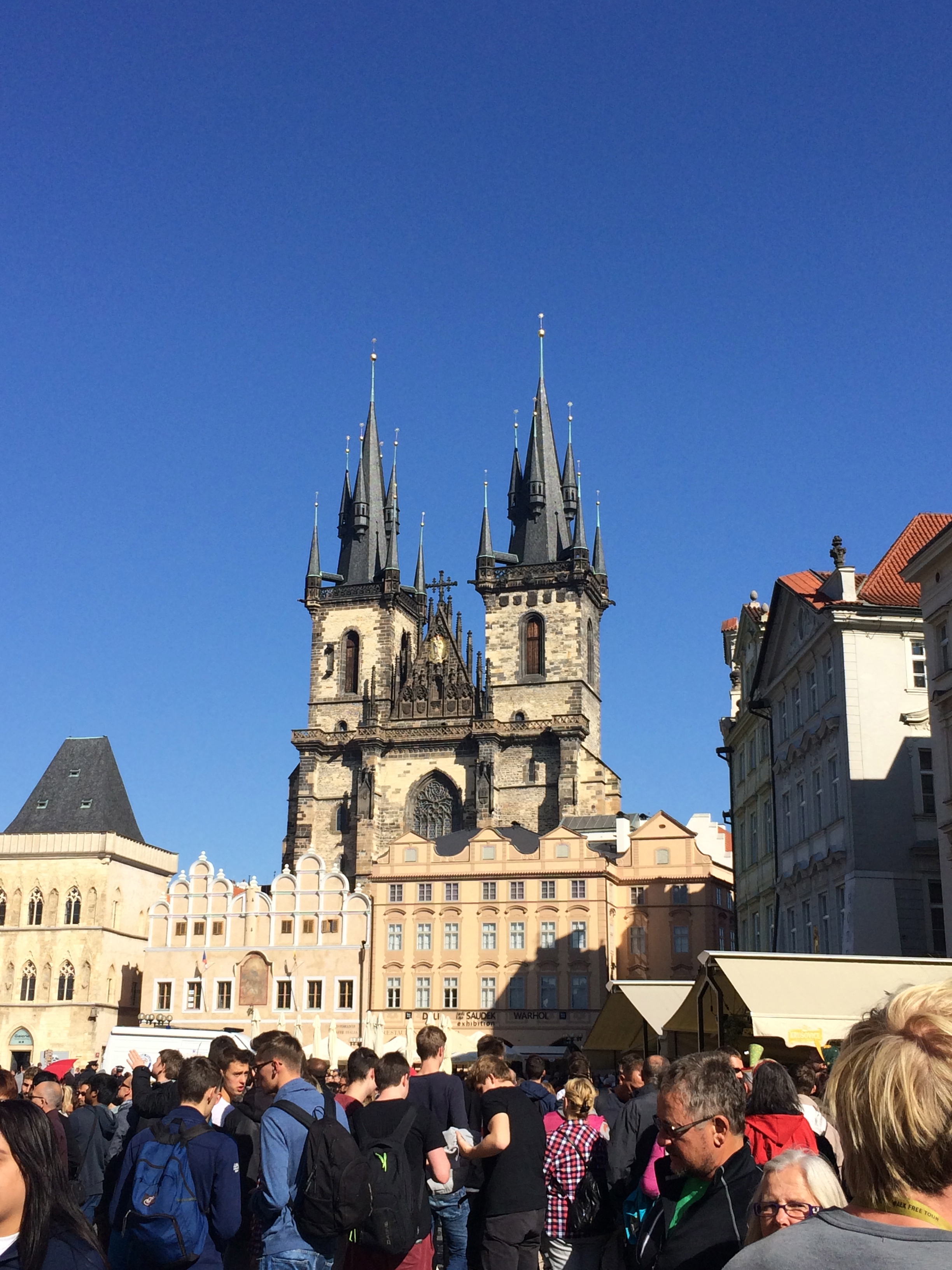
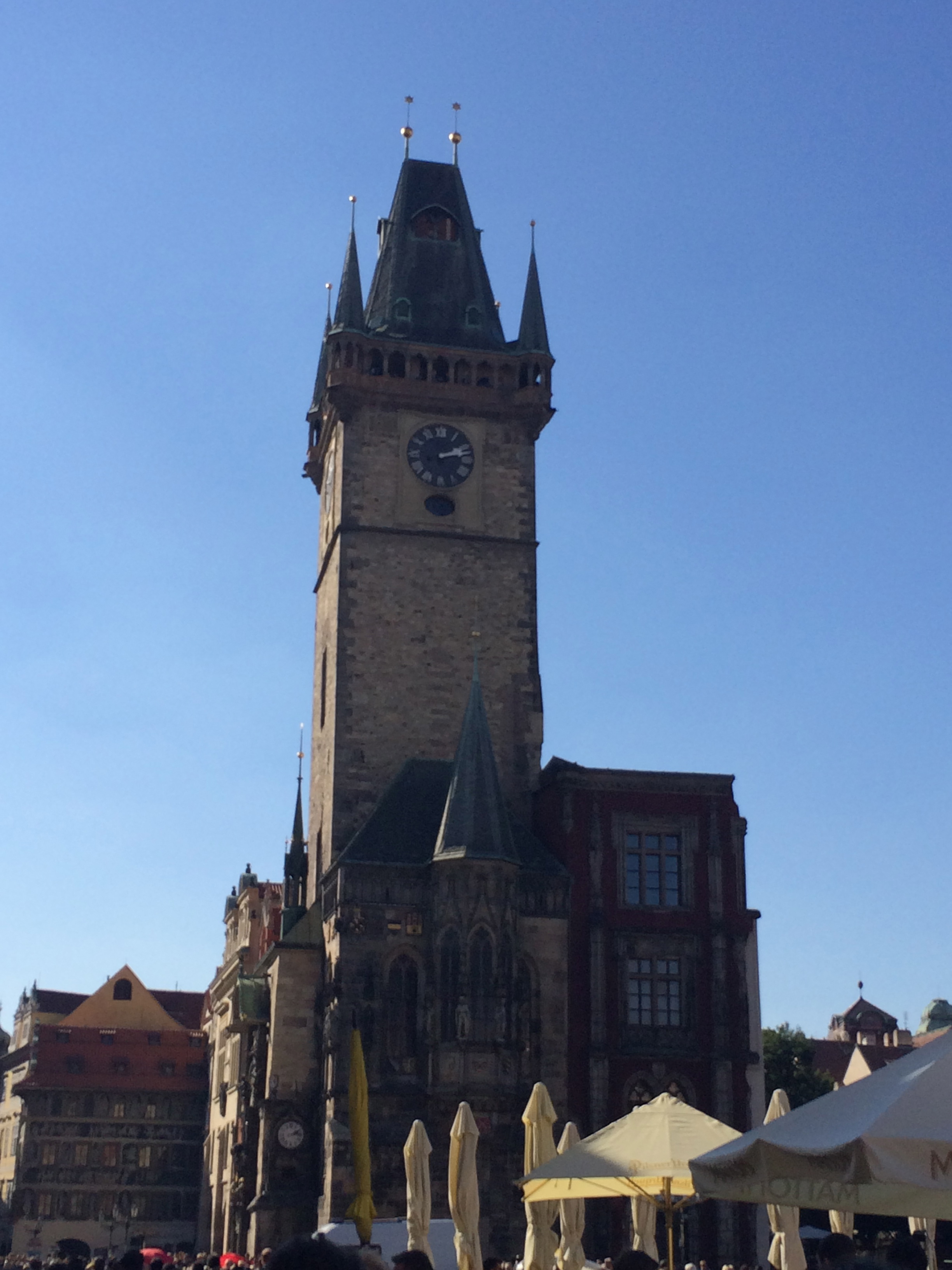
I (of course) began my first full day in Prague with a walking tour! These have been a great way to begin my days in new cities, offering a good overview of top city sites and history. I learned about Prague’s medieval history as the capital of Bohemia and the movement into the Renaissance with King Charles IV, after whom much of the city is named, including the Charles Bridge. King Charles IV oversaw much of Prague’s most famous architecture, started a university, expanded the borders and eventually became King of the Holy Roman Empire. Prague would continue to be in the middle of conflict, changing leadership and dynasty, and eventually fall under the rule of the Austro-Hungarian empire until the end of the first World War, when the empire disseminated. It was the Habsburg family who built much of what is known today as Prague castle, built as their summer home. Prague again changed hands in World War Two, when it became a Nazi stronghold. Prague’s Jewish Quarter is one of the best maintained, as Hitler planned to keep it as an official memoriam to the race. It is now is one of the most posh and expensive places to live in the city (marked only by twelve-layered cemetery where jews were forced to bury their dead after being denied a larger plot of burial land). Prague then was taken by the Soviets, and was under the thumb of communism until the fall of the Soviet bloc in the late 80s, where it slowly started to become the town it is now.
This myriad of history has left Prague feeling somewhat fractured, but still strong and beautiful. The strength, history and importance of this town is tough not to feel under the gaze of it’s streets and buildings.
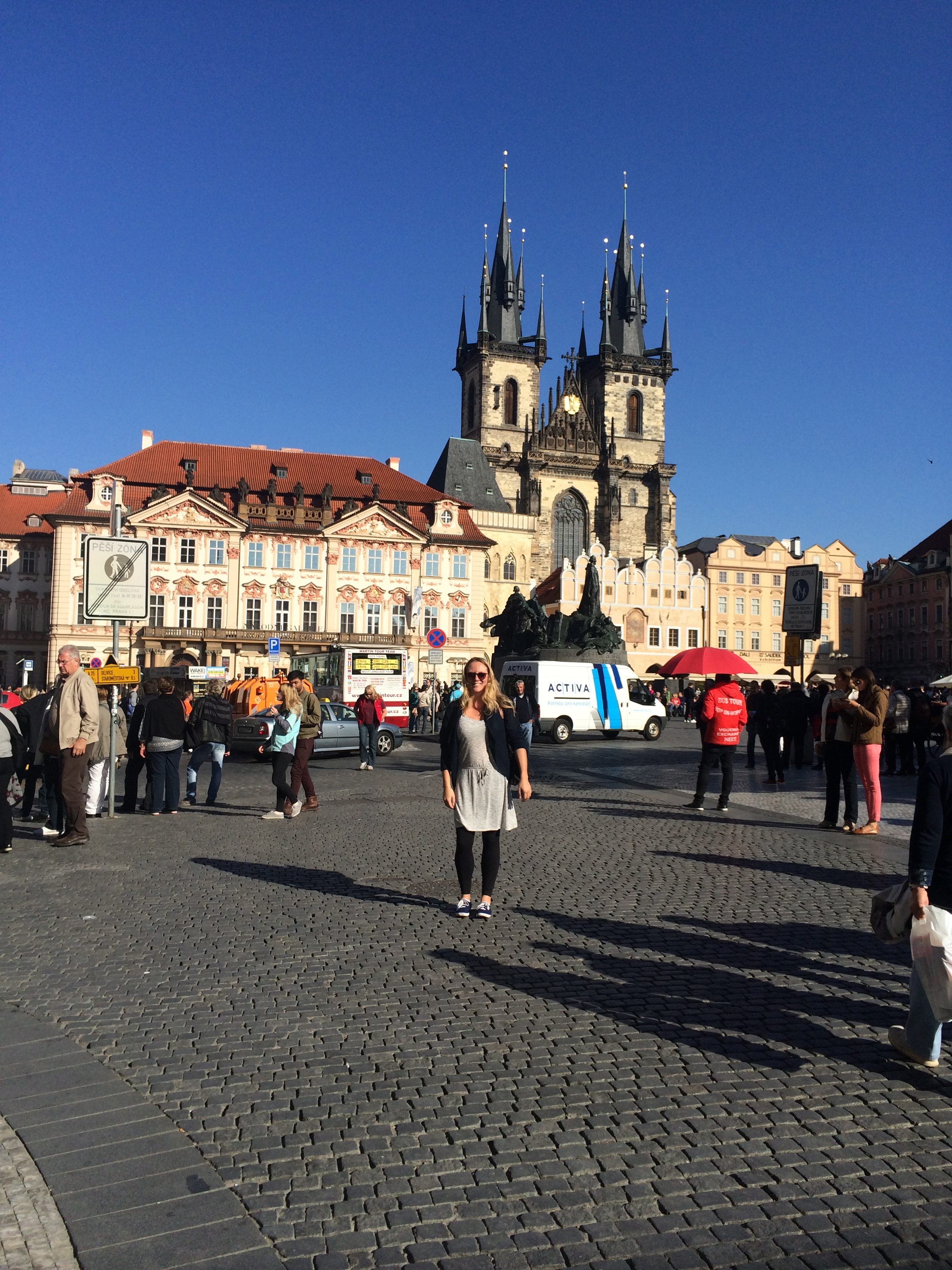
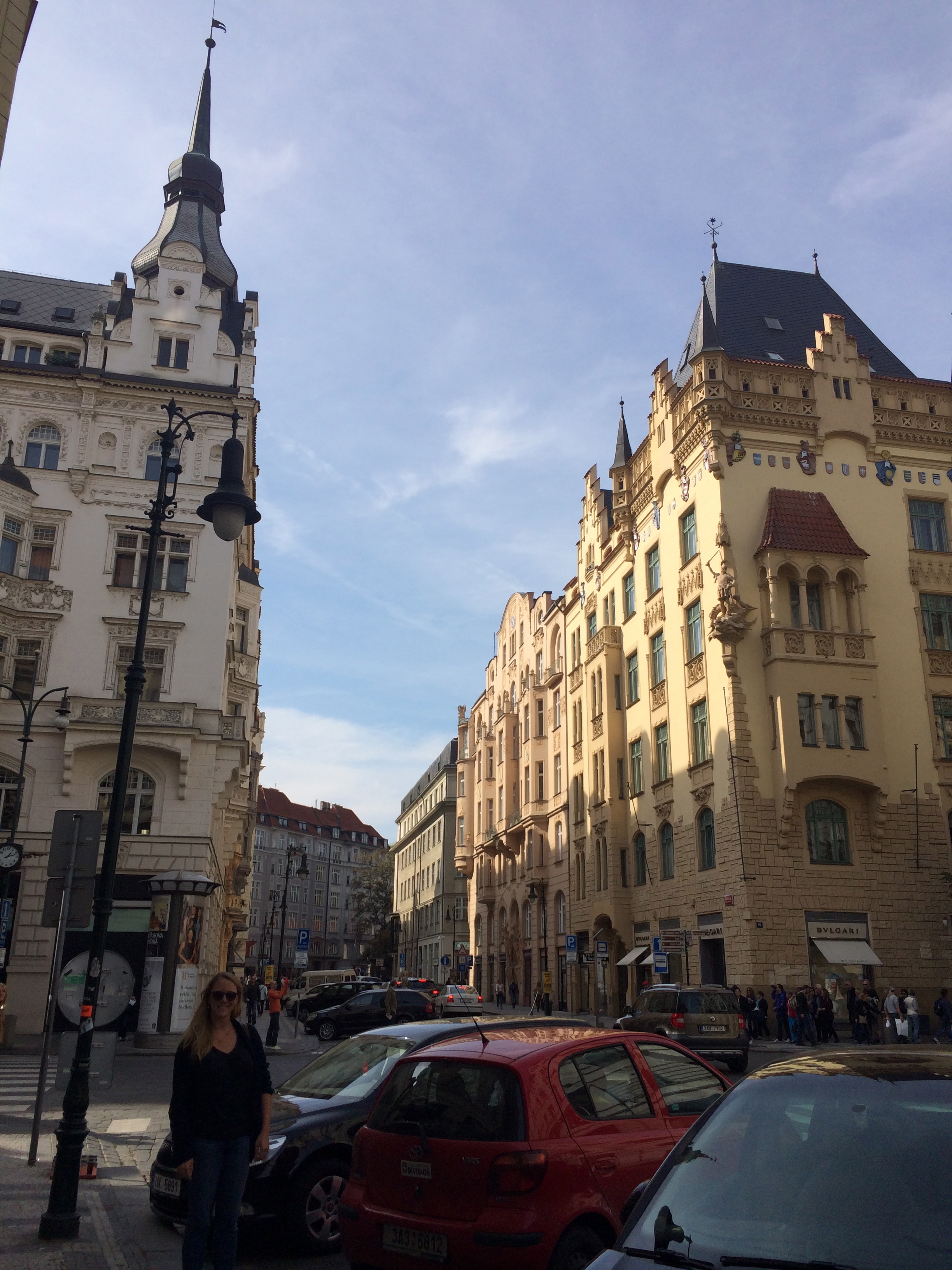

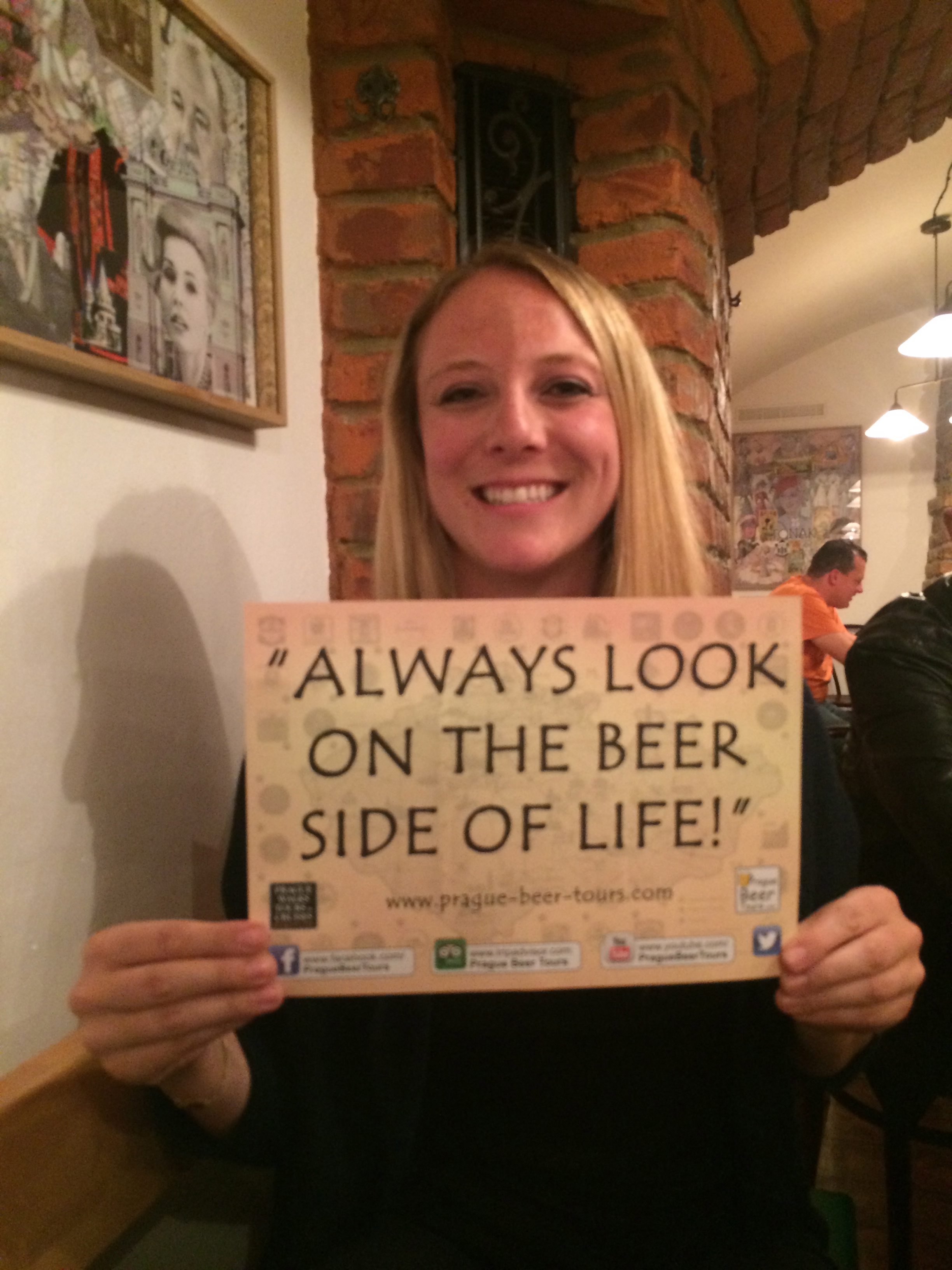
Czech’s, however, hold a less-known title – they drink more beer per capita than any other place in the world. So of course what could I do but go on a Czech beer tour! We visited three breweries. The first still used the old brewing techniques, including wooden barrels and no centrifuge. We tried four beers, and learned about the beer making process and beer history in the Czech culture. By the end of the night we were all crowned Czech beer experts in training!

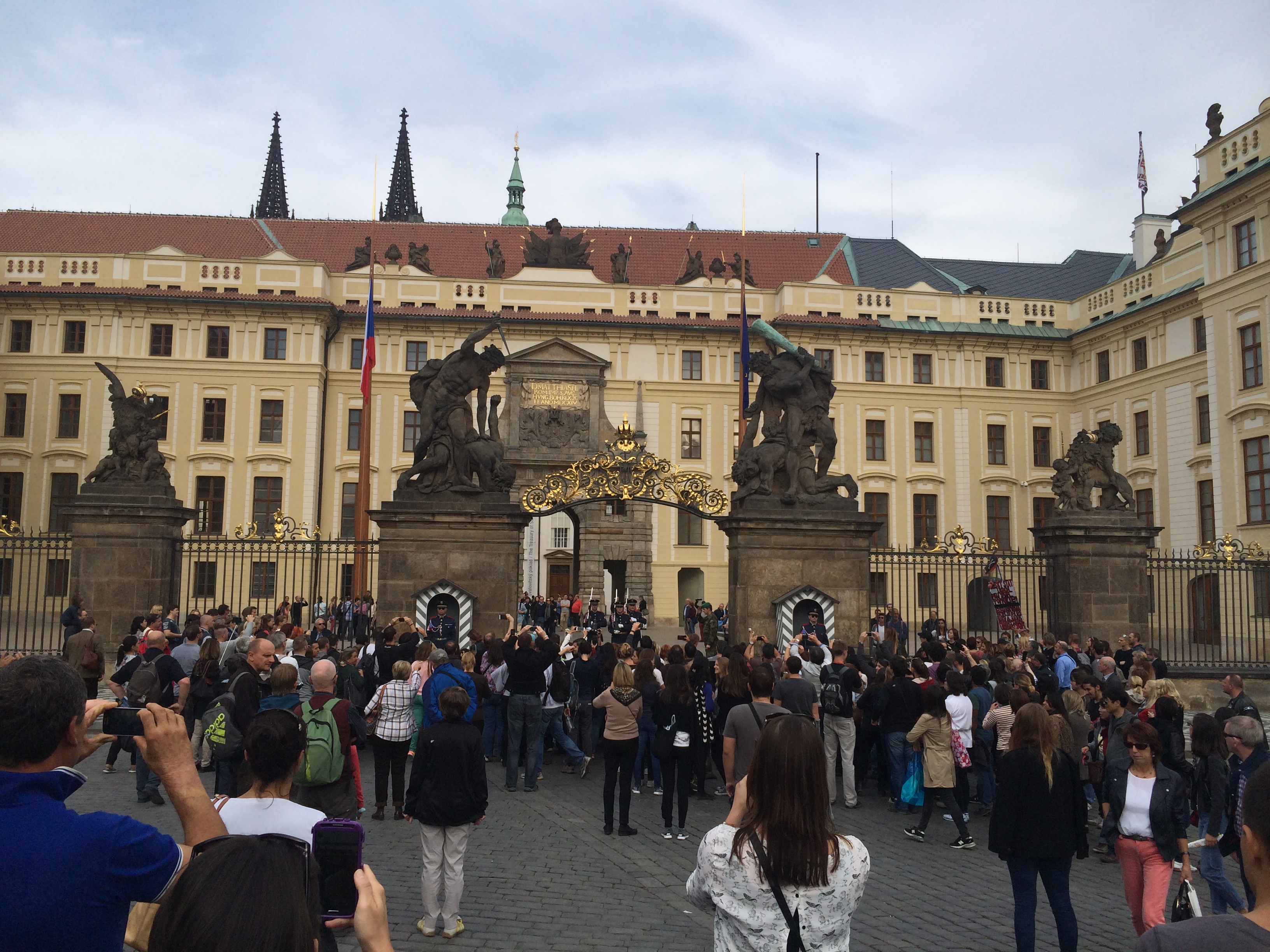
Venturing across the river the next day, we toured Prague’s Castle District. Truthfully it’s really not a castle at all, but a collection of palatial buildings that now house Prague’s governing bodies, churches and religious building including the home of the archbishop, and ancient prisons.
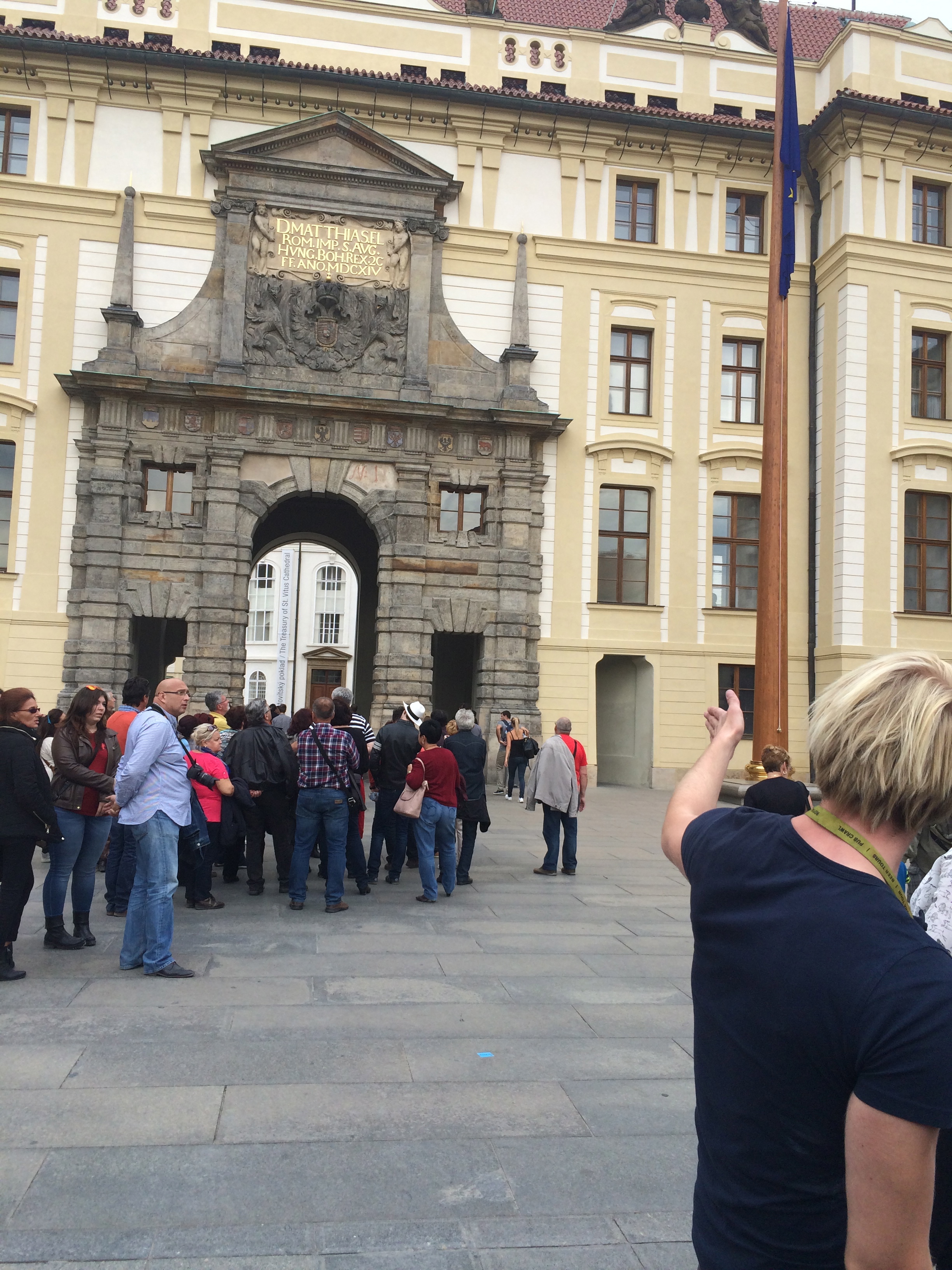
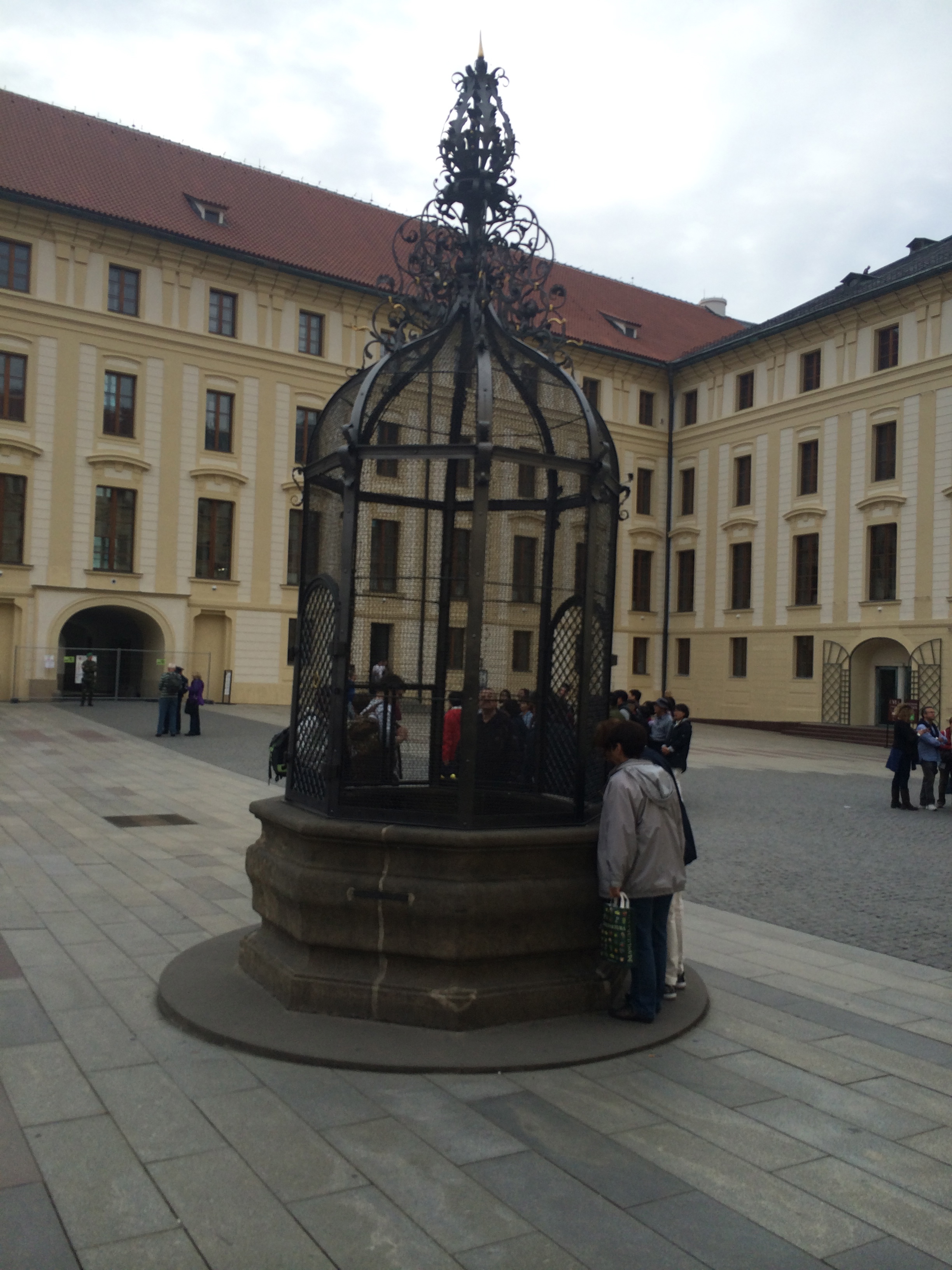
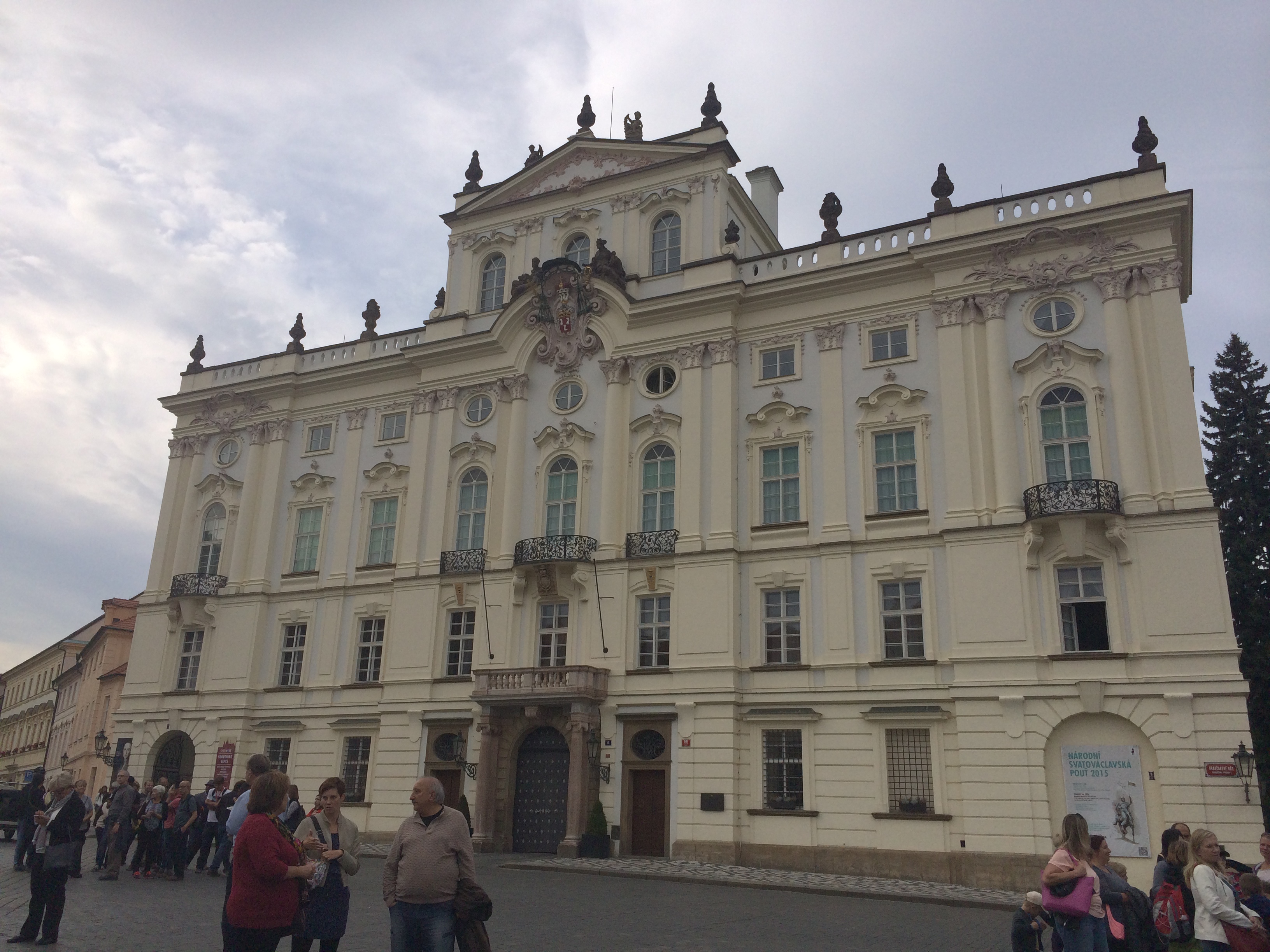
Most importantly it offered some of Prague’s most breathtaking views.
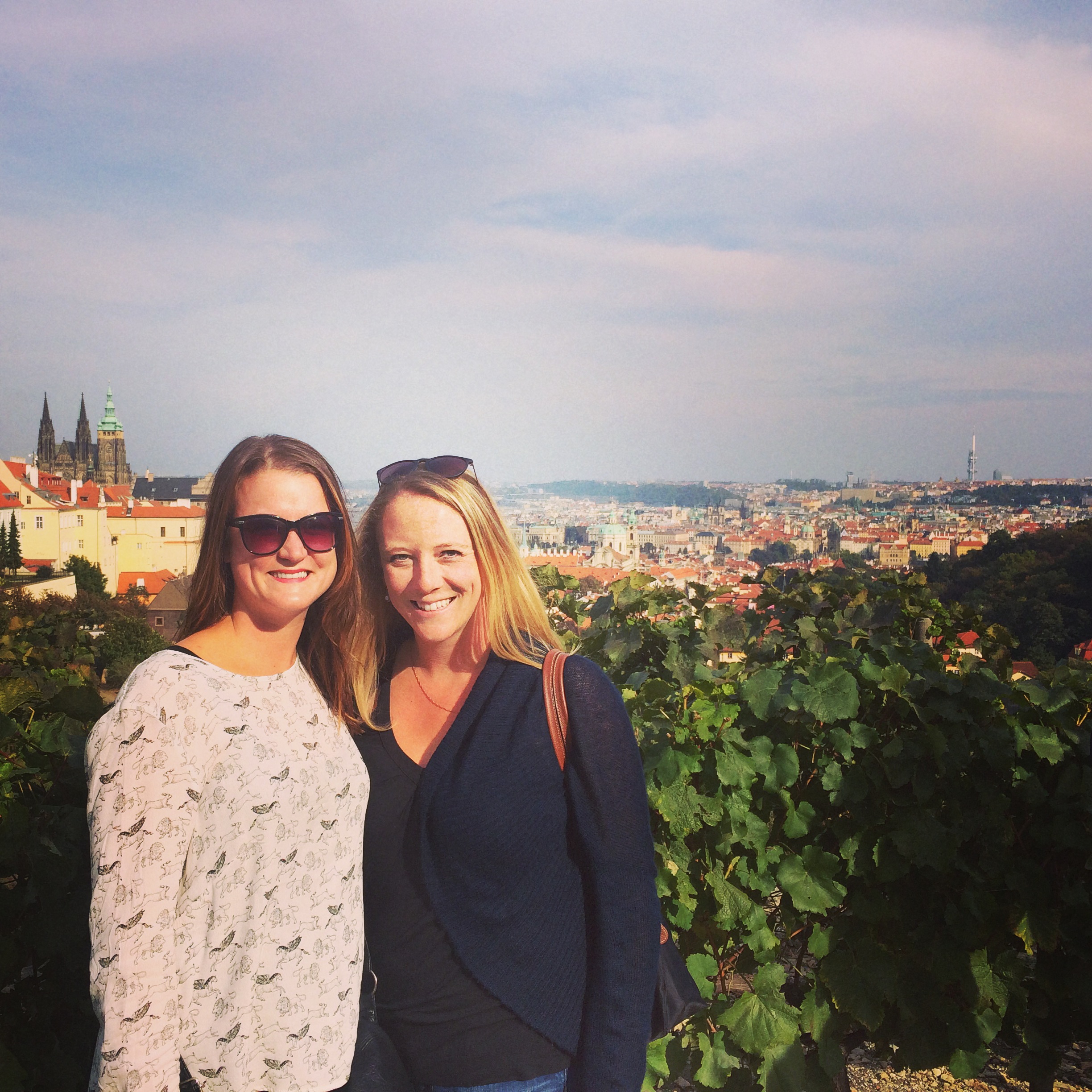
The Strahov Monastery, which is still a fully functioning, monk-run monastery (after they got it back from the Nazis and Communists) is also a brewery! So of course we stopped in for some monk-brewed Czech beers!
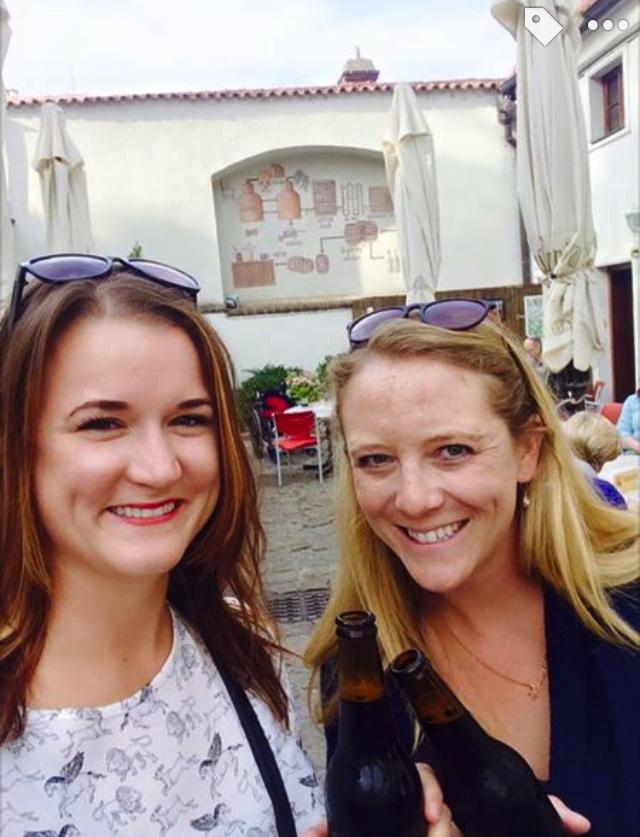
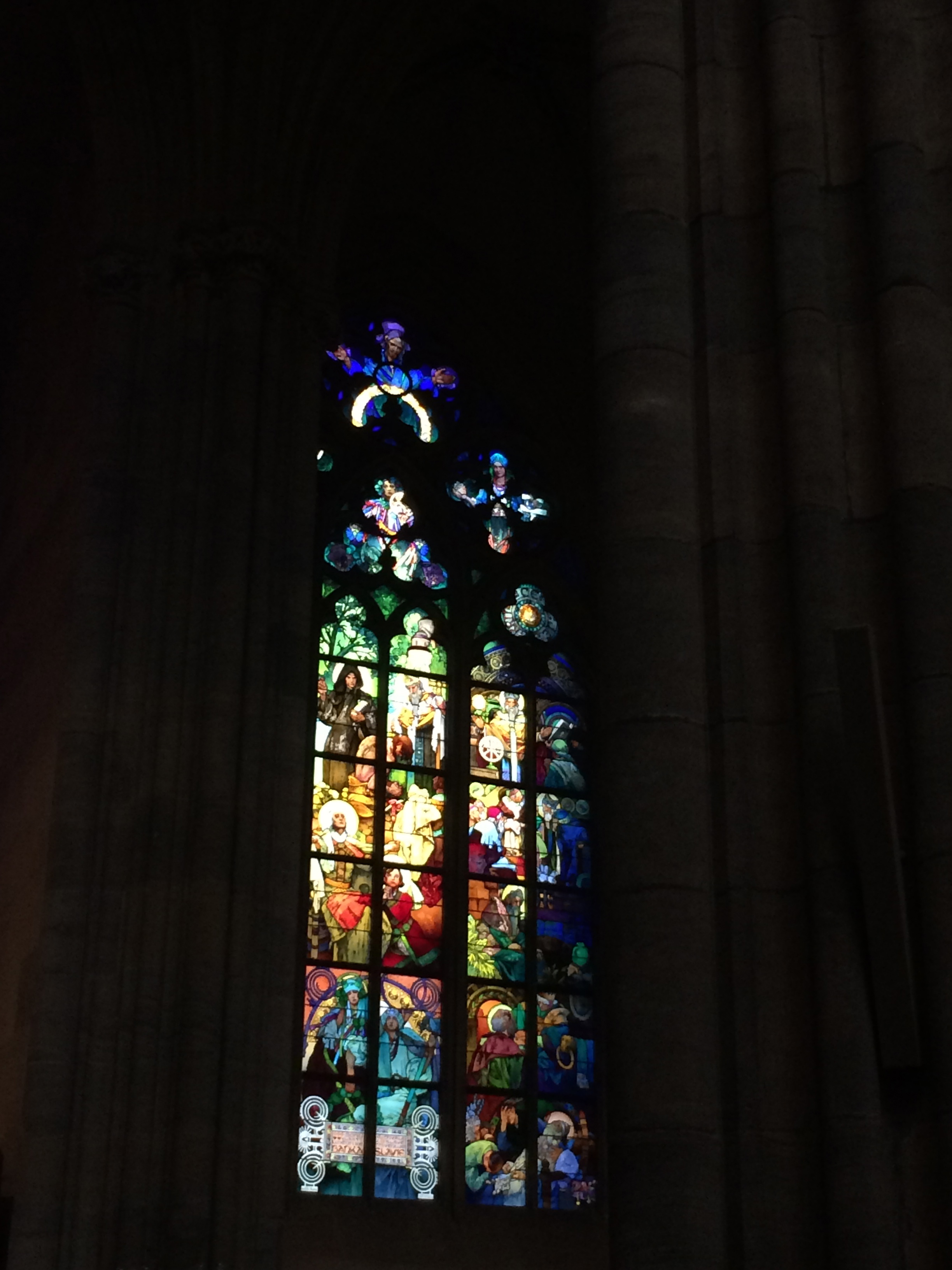
We also got to check out the St. Vitus Cathedral, whose construction was finally completed in the 1920s!



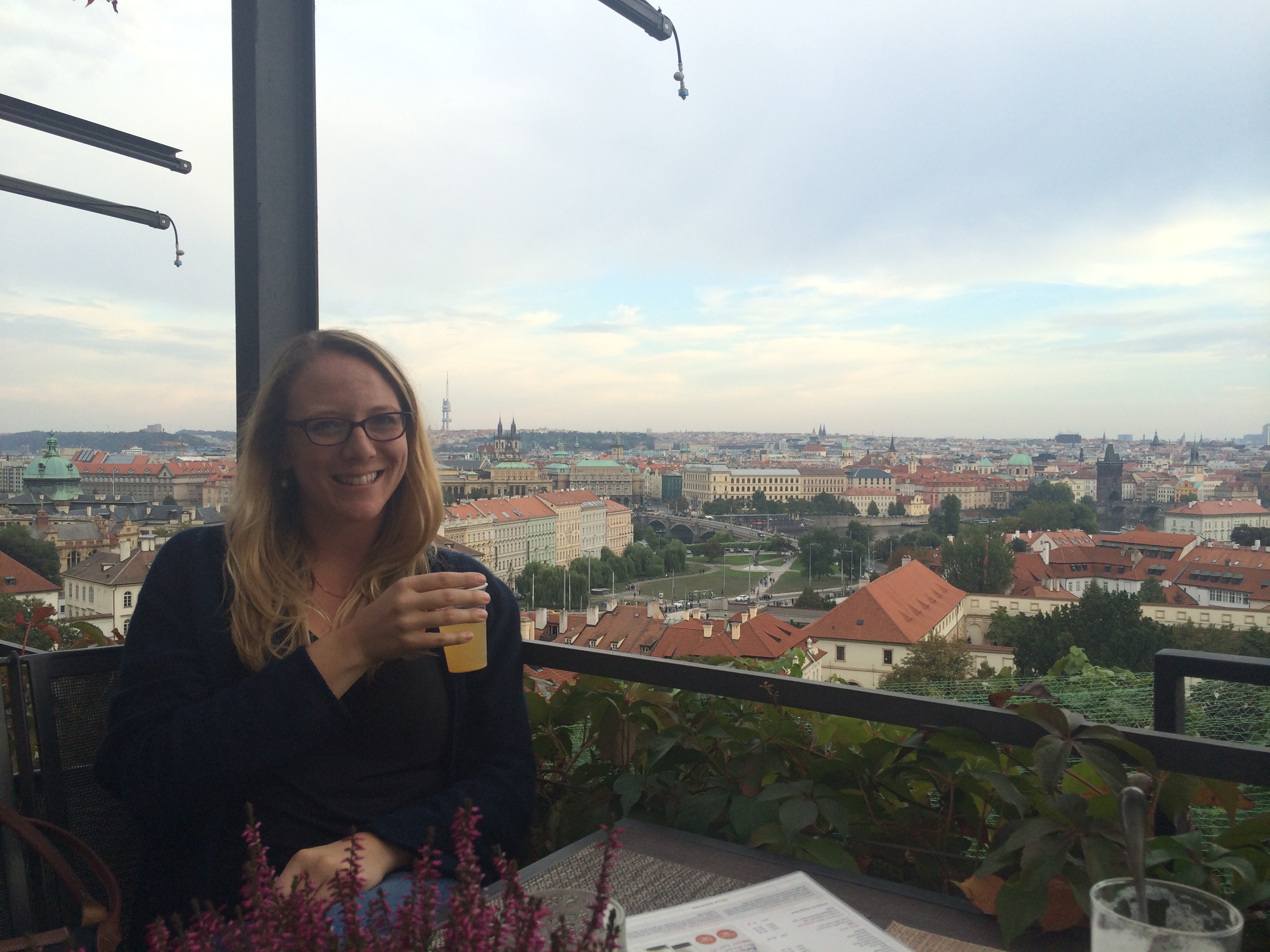
The end of our tour we found a nice war bar with a view and tried some Burcak, and young Czech wine that is only available a few weeks of the year. We sat here until evening, not able to move away from the magnificent sites in front of us.
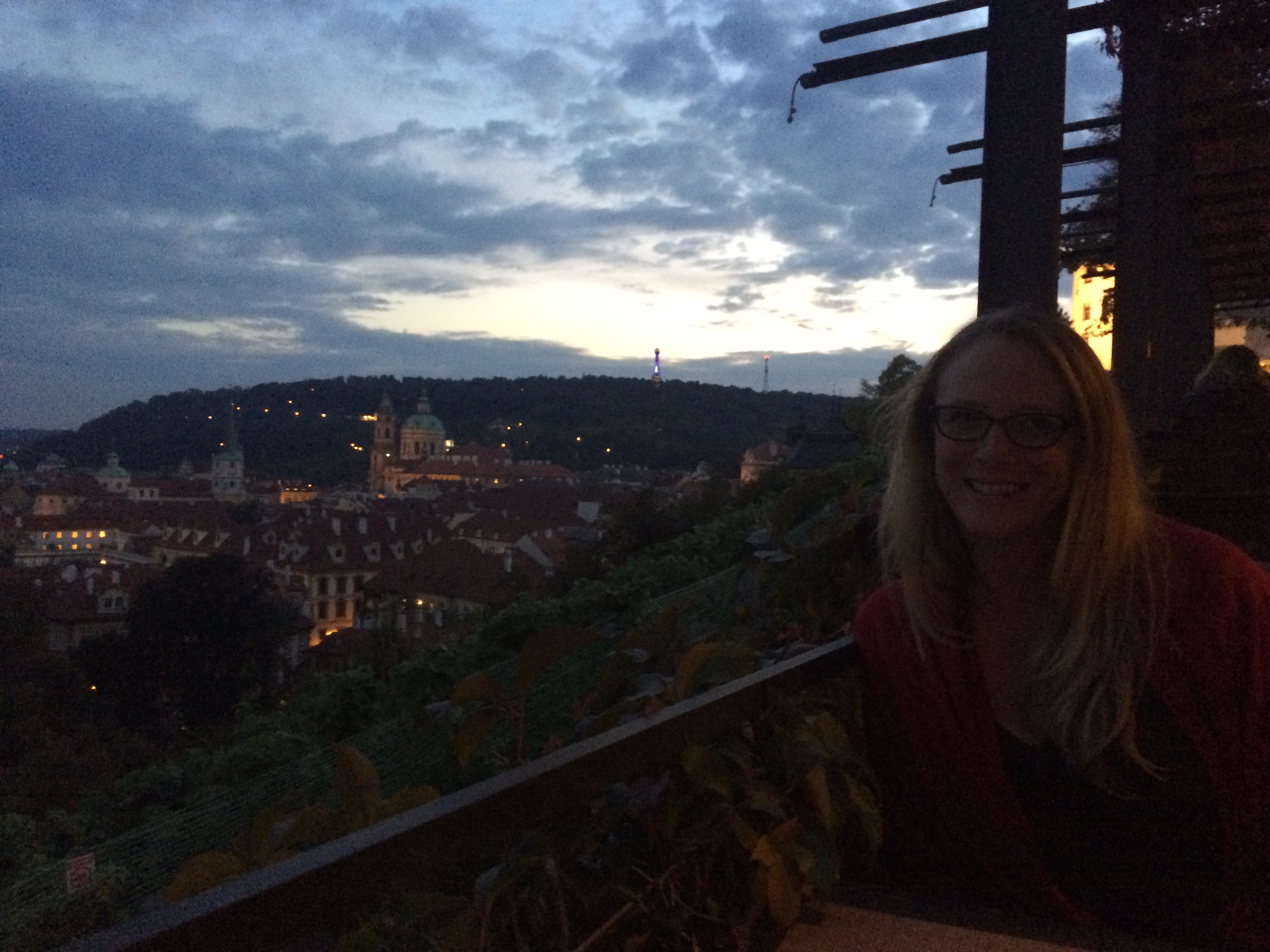
After the wine bar closed and we (unfortunately) had to make our way back down to old town, we took a slight detour over the Charles Bridge, lined with statues and gargoyles, artists, musicians and tourists. Regardless the Charles Bridge is probably my favorite landmark of Prague.
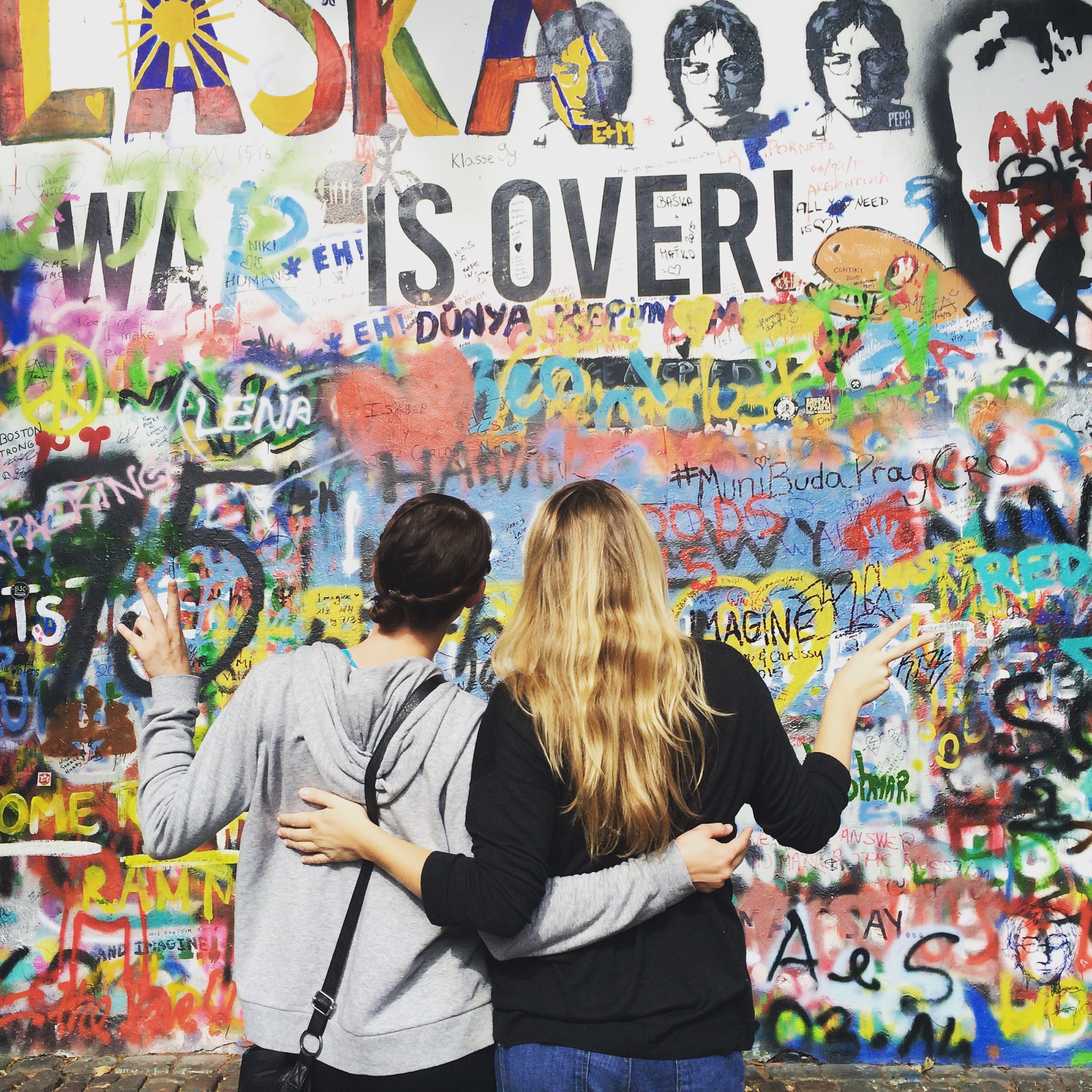
As in many of the other places we’ve visited that were under the rule of communism, Prague boasts its own graffiti wall, named for John Lennon. And a site for some super-fun photos!

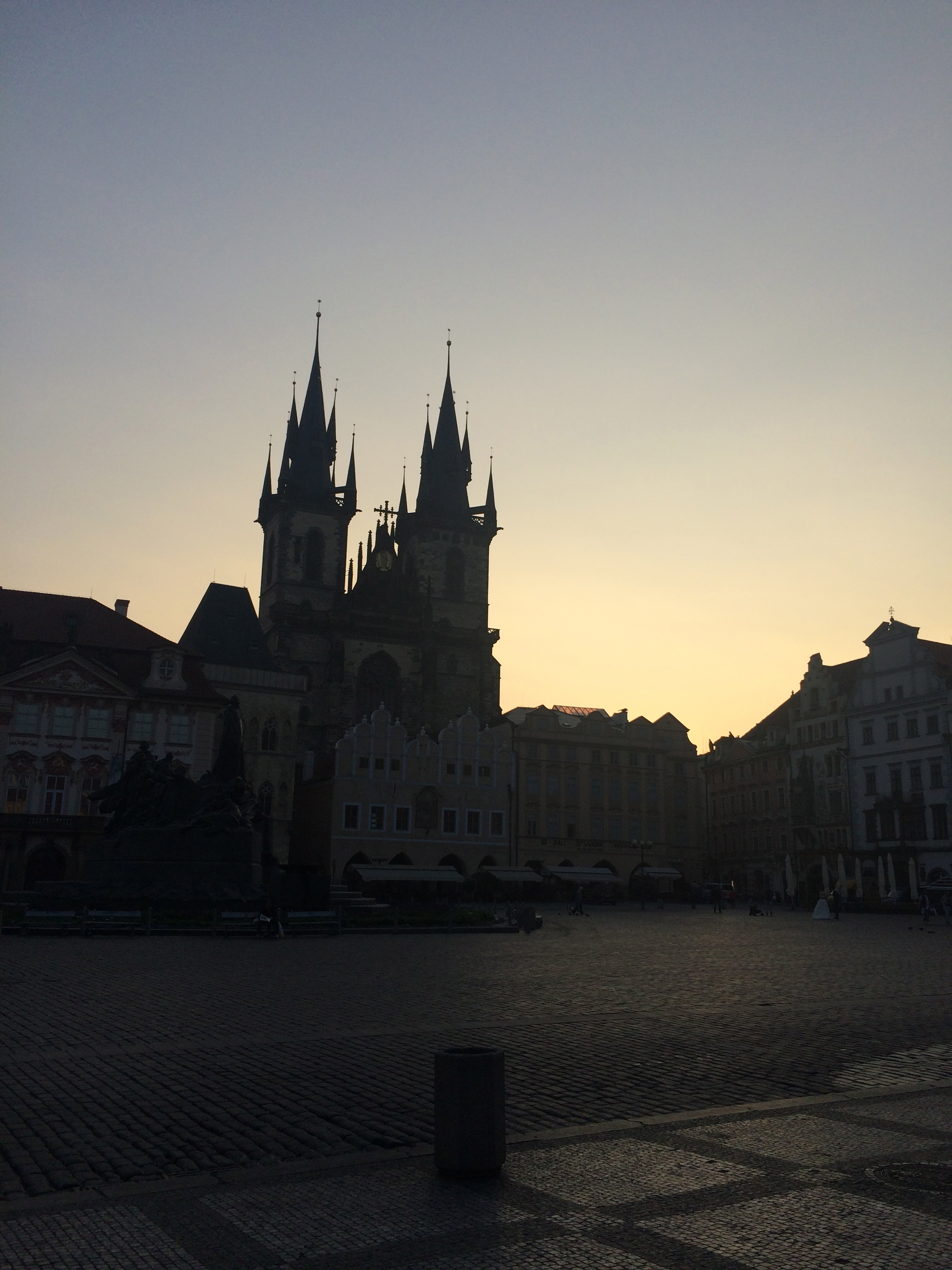
Our last morning we woke up early to get a glimpse of the Charles Bridge and the Old Town Square before it’s over run by visitors. We enjoyed a quiet and peaceful morning, very nearly tourist free! (for Prague)


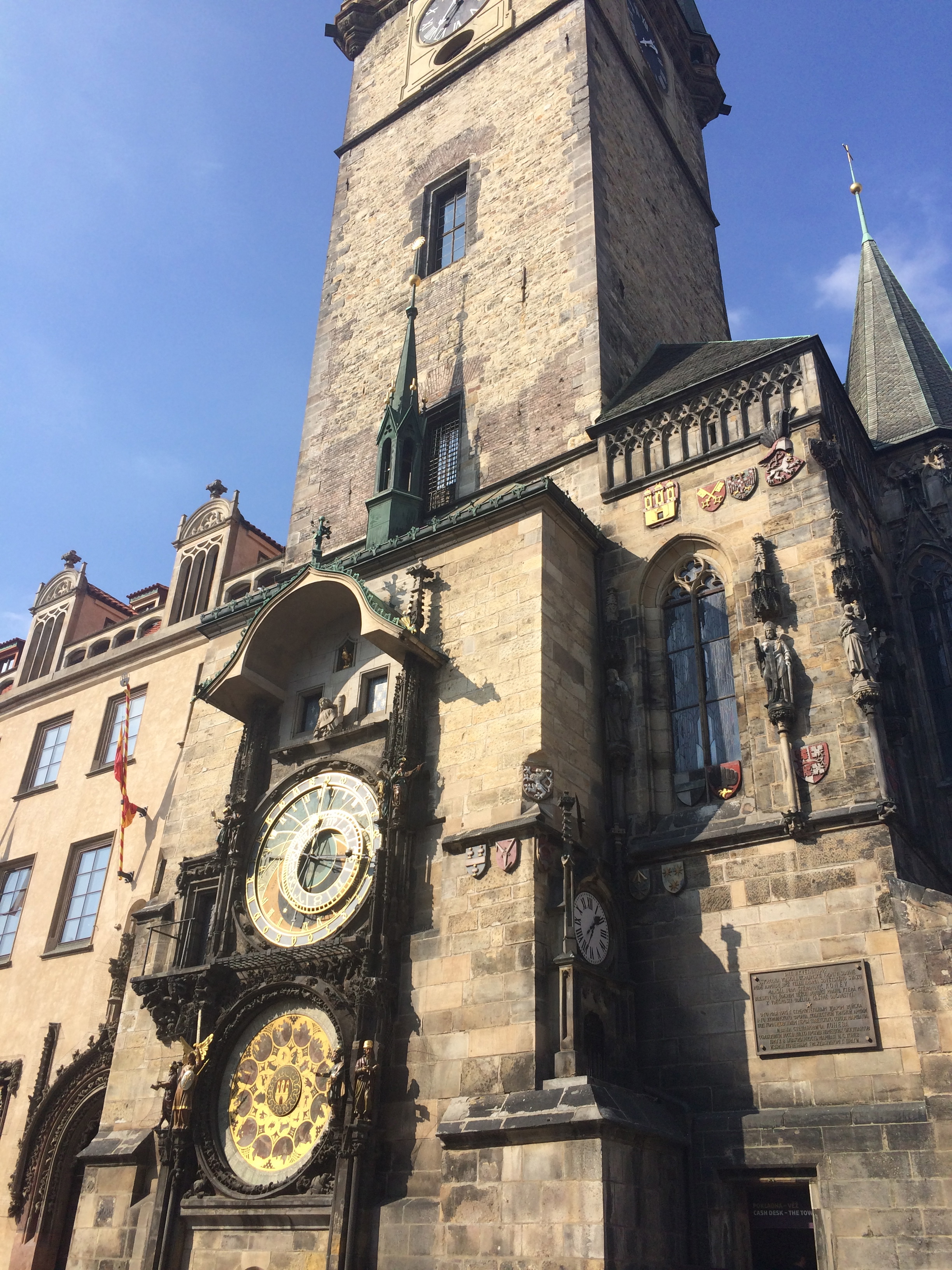
We then sat for a coffee while waiting for the Prague astronomical clock show. As anyone who has been to Prague before can attest, this is the most exciting aspect of Prague. Just an amazing clock experience. As coffee turned to wine, we sat in the Old Town Square and watched the clock show three times (we also did some people watching during the two hour-long breaks between clock shows). Definitely a Prague must-see.
That wrapped up our time in Prague, a city that offered unlimited beauty in every turn, delicious food and drink, and just the perfect touch of romance.
Děkuji Prague for a magical week!
 Staaring Kyle