Berlin – Poor but Sexy
That is how the tour guide described it, so I can take no credit for that one. I’m not so sure about the poor part, seems pretty nice to me. The city is a mix of new and old, having been so rebuilt after the bombings of World War Two. They strive to maintain the cultural and historical heritage, rebuilding schools, monuments, cathedrals and important structures to their former glory.
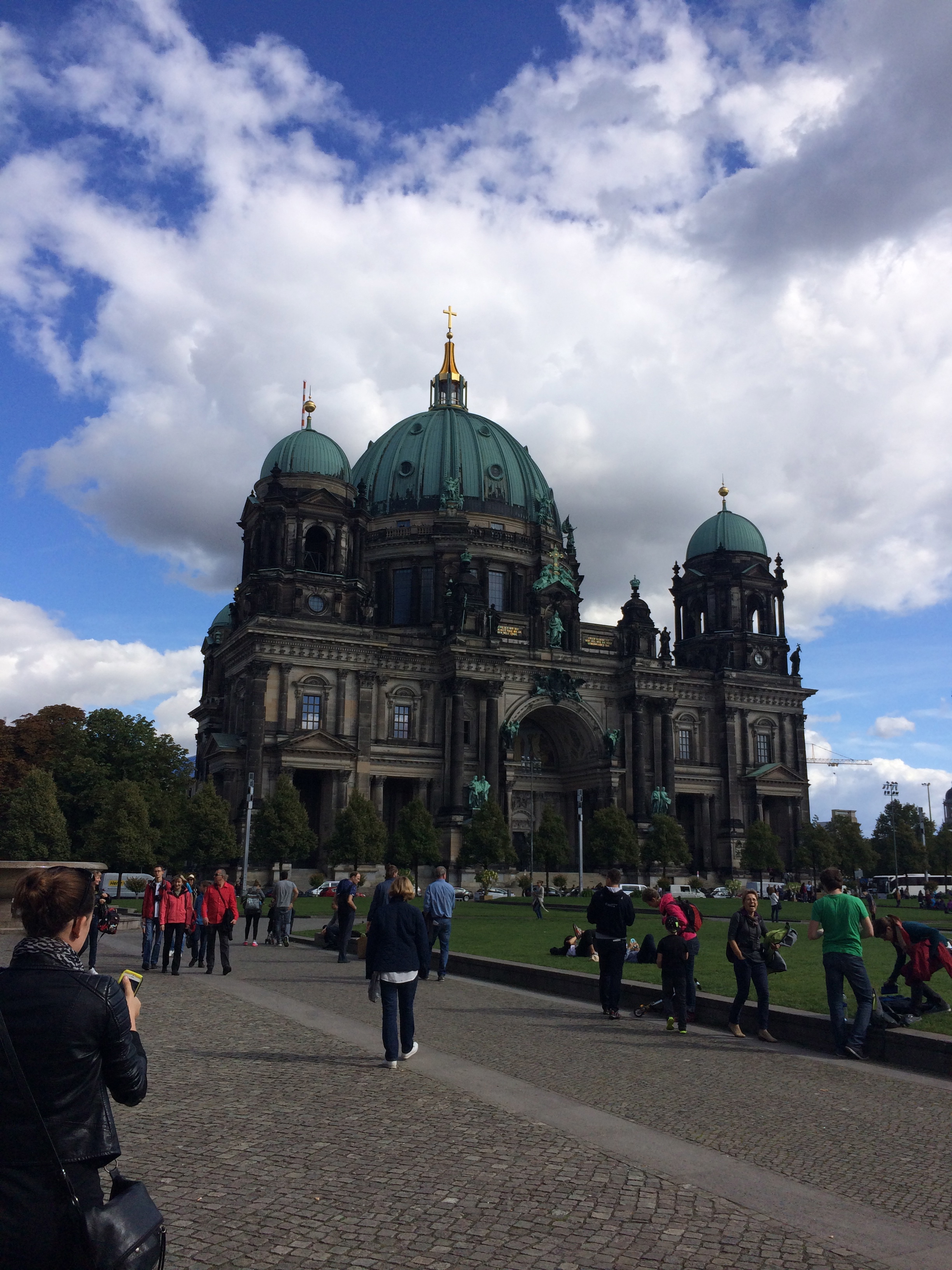
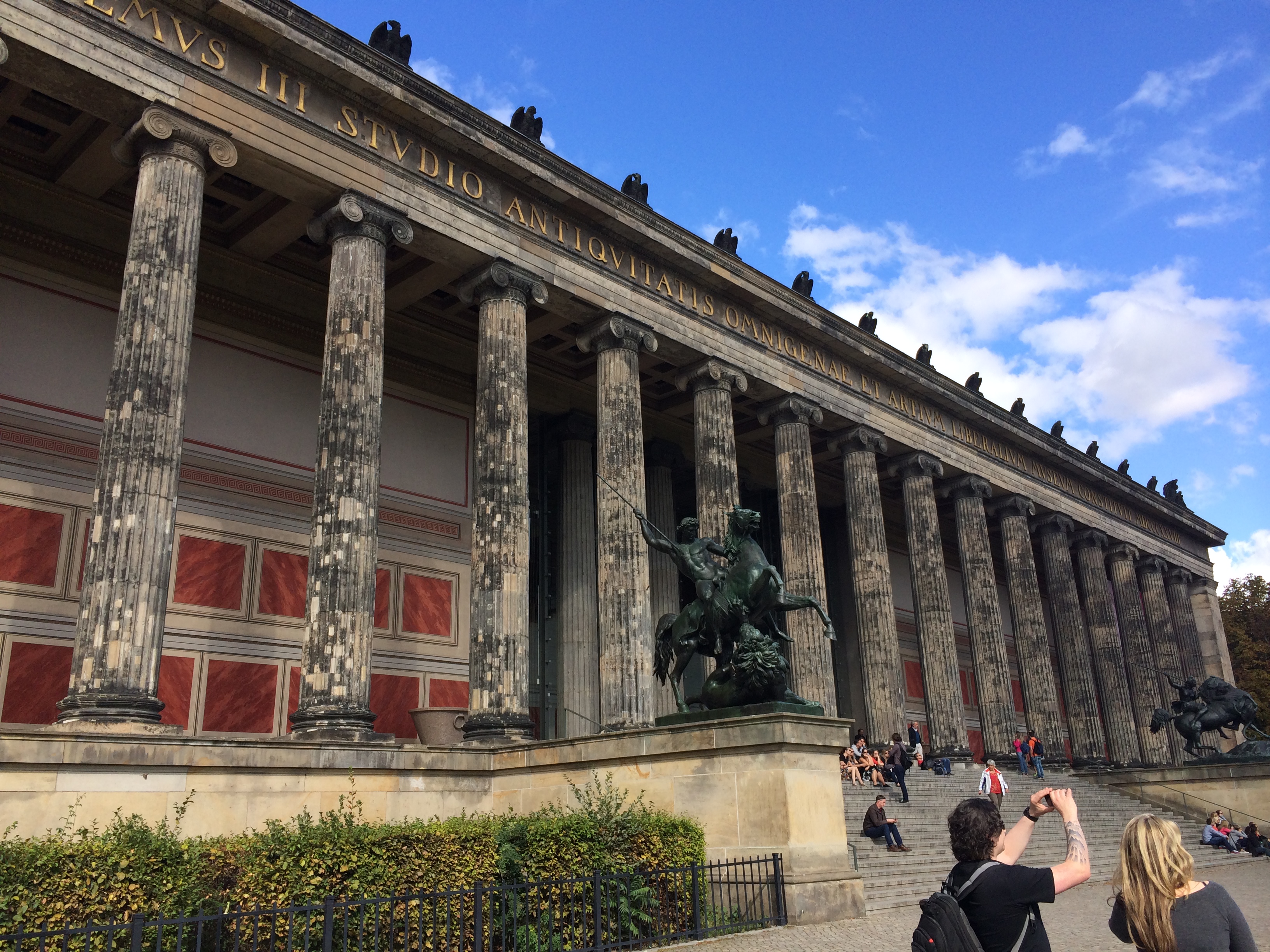
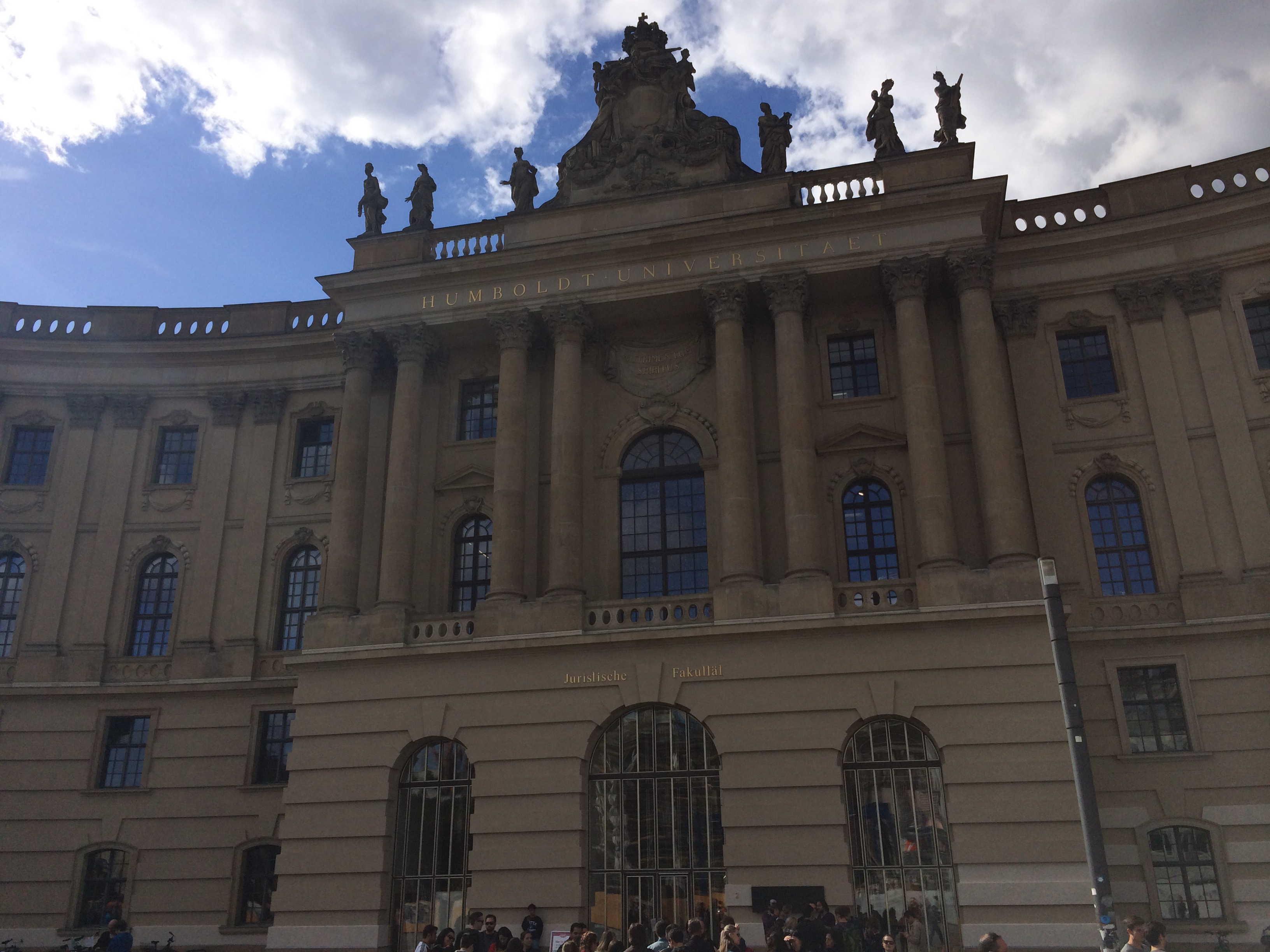
Our first day in Berlin we hopped on a walking tour, giving us a great overview and history of the city. Our guide took us through the old jewish quarter, Museum Island, Humbolt University, Berlin Wall and many other significant Berlin points of interest.
He also pointed out some smaller tributes, like the gold tiles scattered around the city streets. These memorials to Jewish residents that were killed in World War Two are so understated you may not notice them, but when you see one you begin to see them all around the city. Each tile has a name, and either ‘lived,’ ‘worked,’ or ‘studied’ and if the person was murdered by the Nazis or died in one of the camps. They are made of bronze, and as the tiles are walked over they only shine brighter.

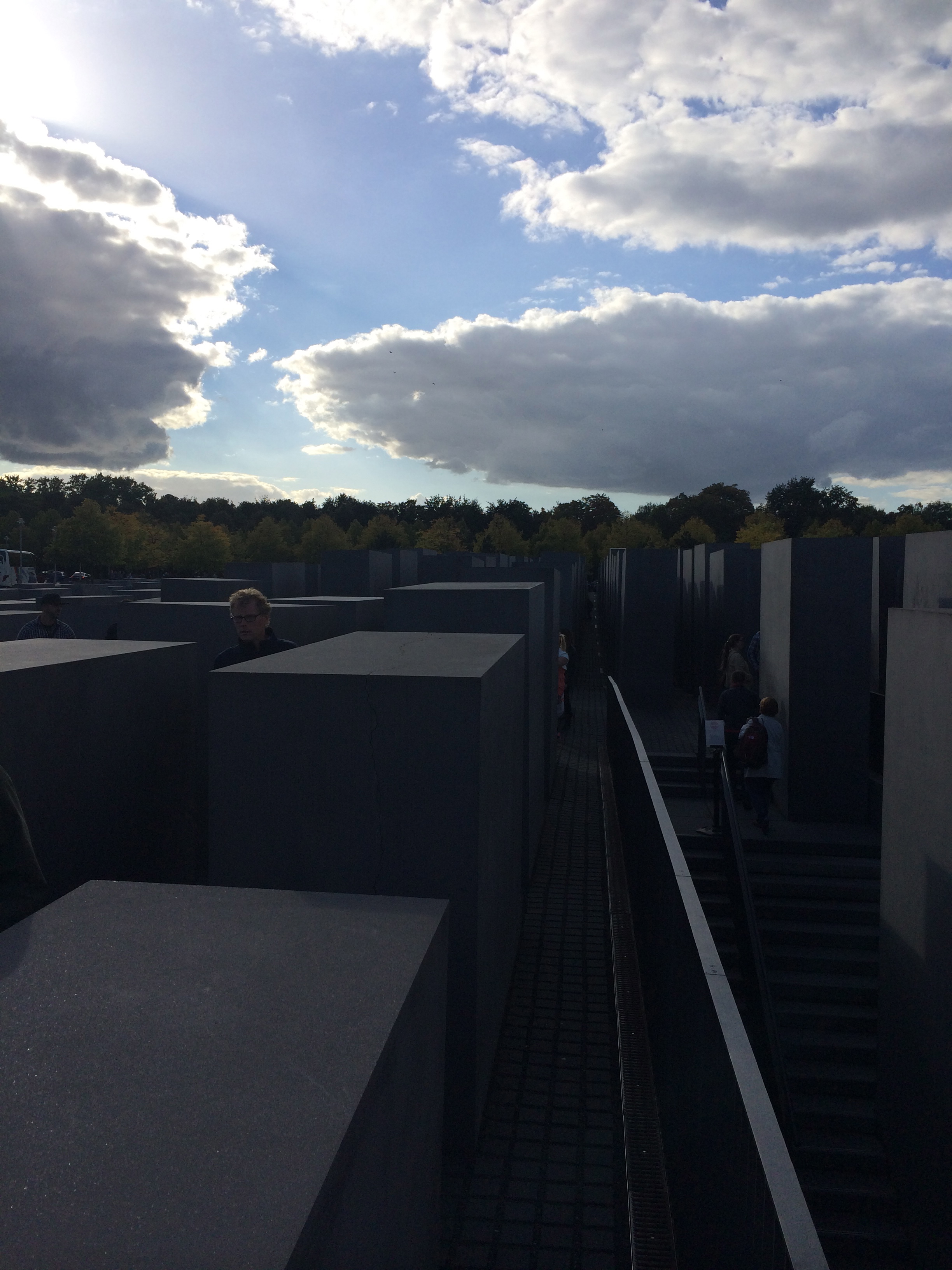
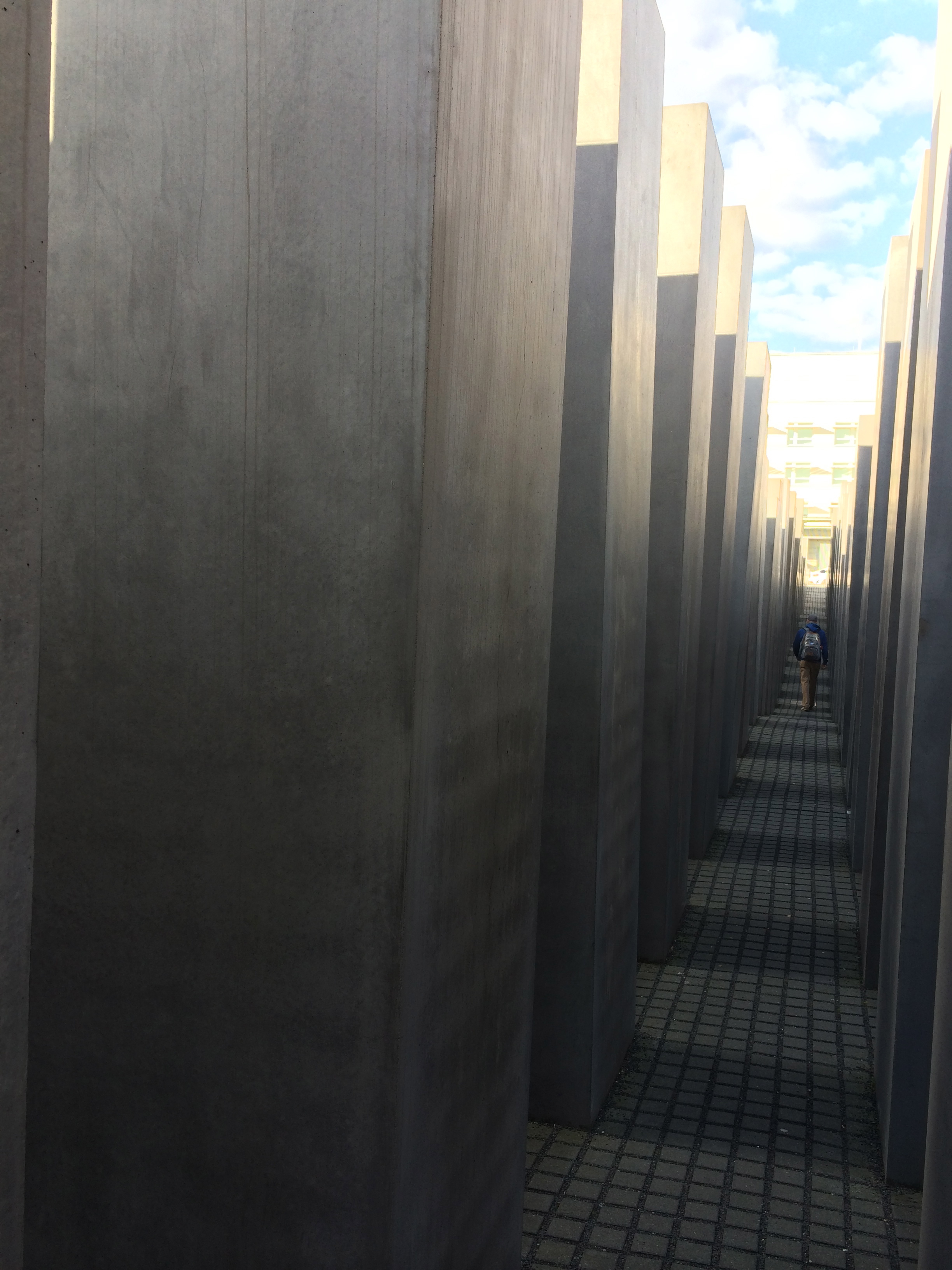
They don’t attempt to hide their marked history in Berlin. One of the largest memorials here is unabashedly called The Memorial for Murdered Jews. It’s a powerful space filled with concrete blocks of various heights. When you walk through them, you can feel the symbol of repression, fear, and loss. While seemingly a strange commemoration, a few moments wandering through these large grey stone blocks evoke strong emotions and it’s hard not to realize the power in the memorial.
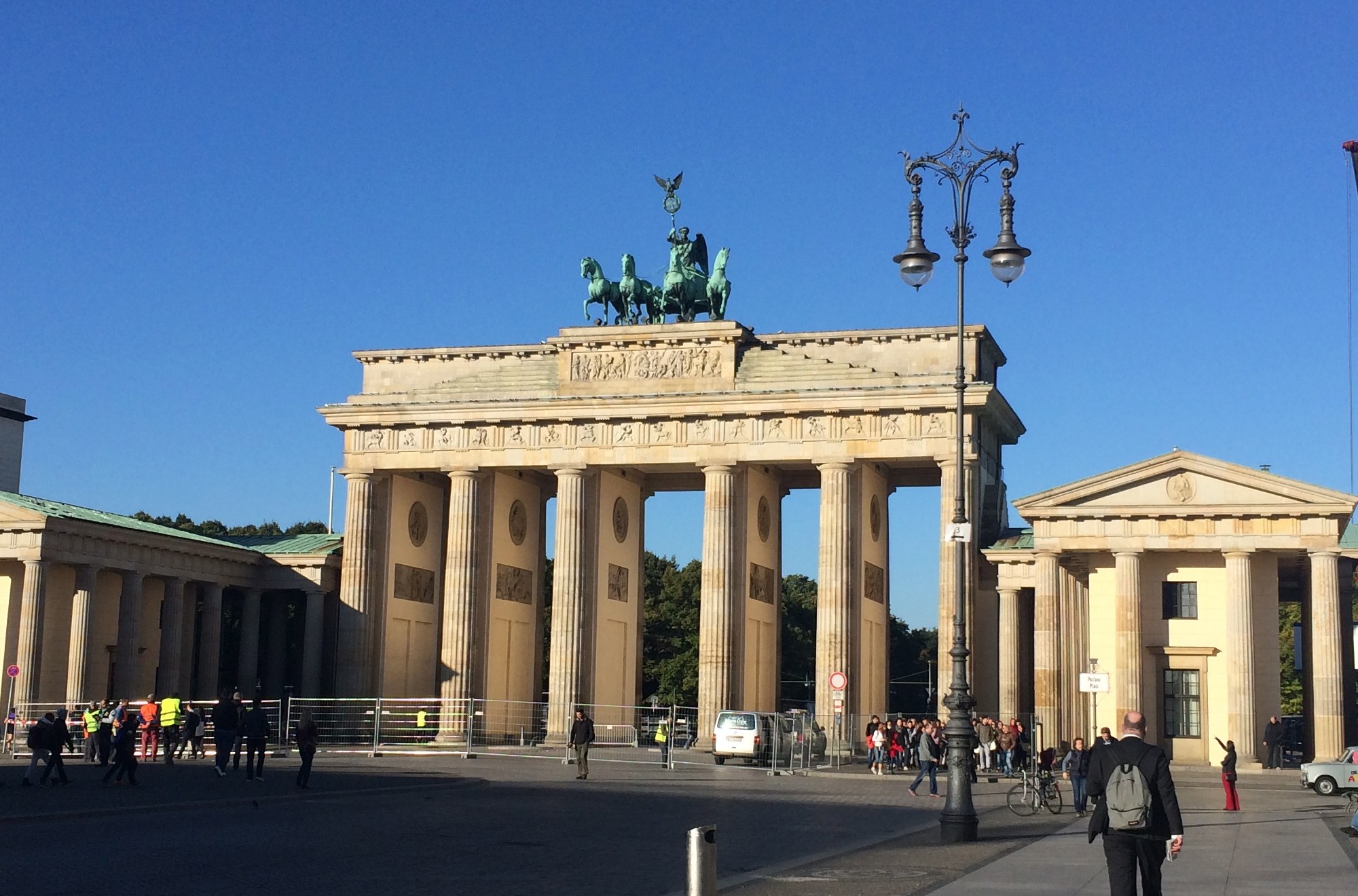
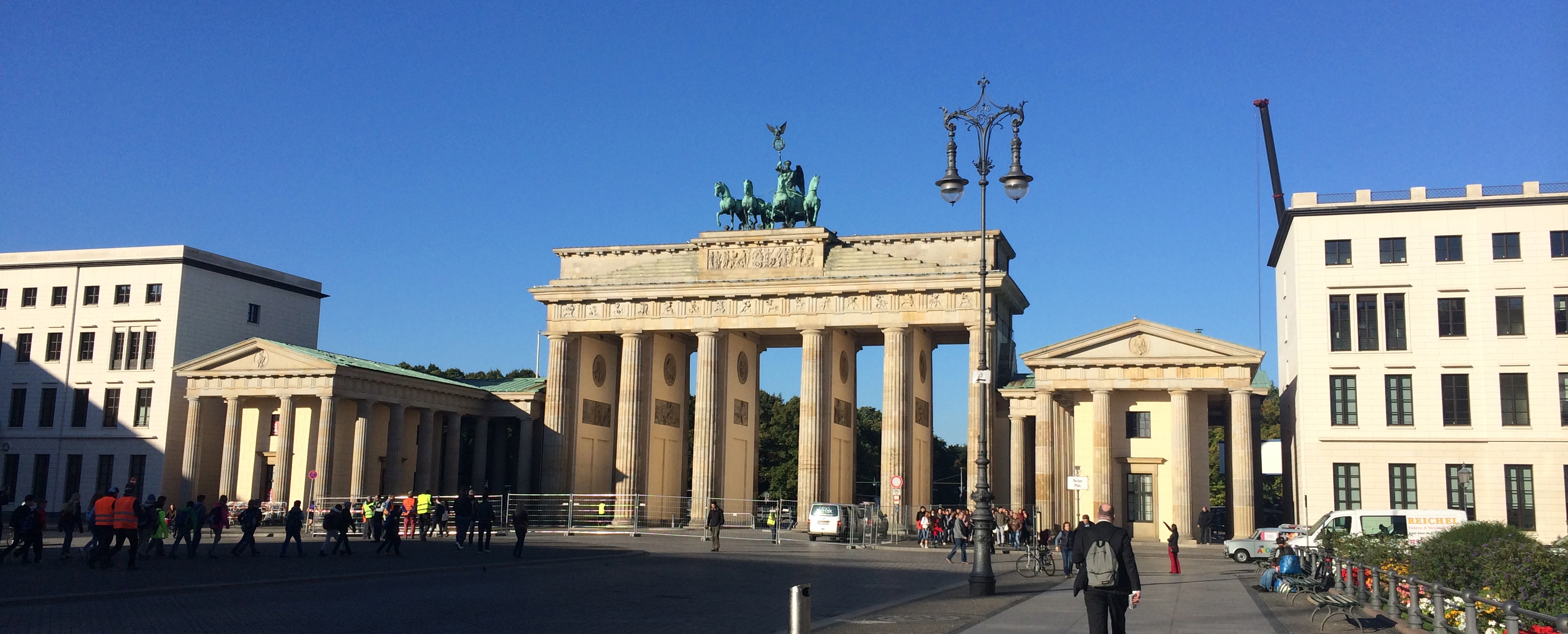
The last stop of the walking tour was the iconic Brandenburg Gate. For Berliners the gate is one of the strongest symbols of Berlin and of the 1989 unification. During the Soviet period in East Berlin, when the city was separated by the Berlin Wall, the Brandenburg Gate was situated in the middle of what was referred to at the ‘death strip’ – the area between the inner and outer walls created to make it virtually impossible to leave East Berlin during 1962 and 1989. During the period 258 people died trying to escape from east Berlin to the west.
When the wall came down, the magnificent gate was liberated as well, and given back to the the city of Berlin as a united people. Plus it’s really cool looking; I can see why Berliners would want this structure to represent their city.
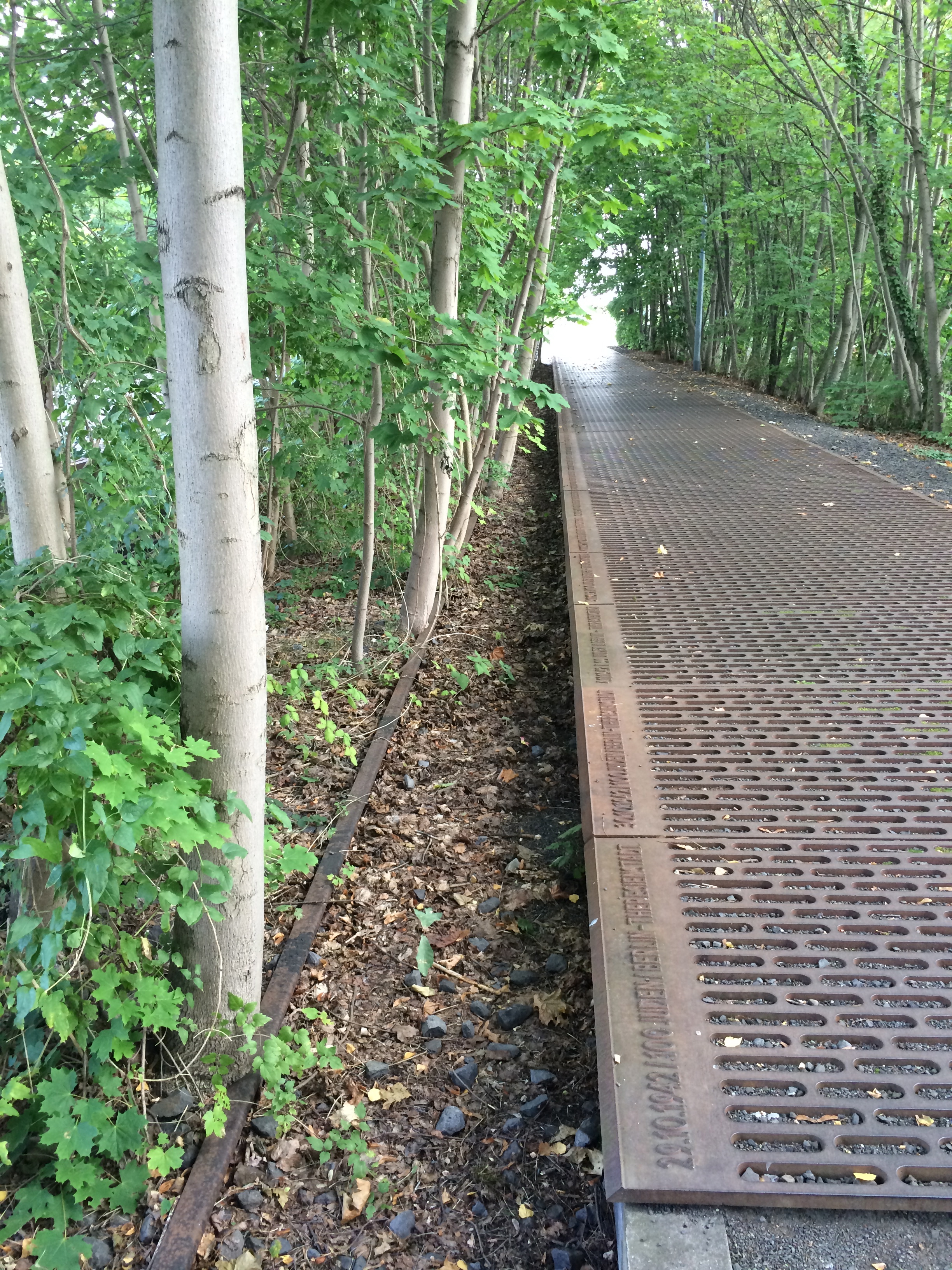
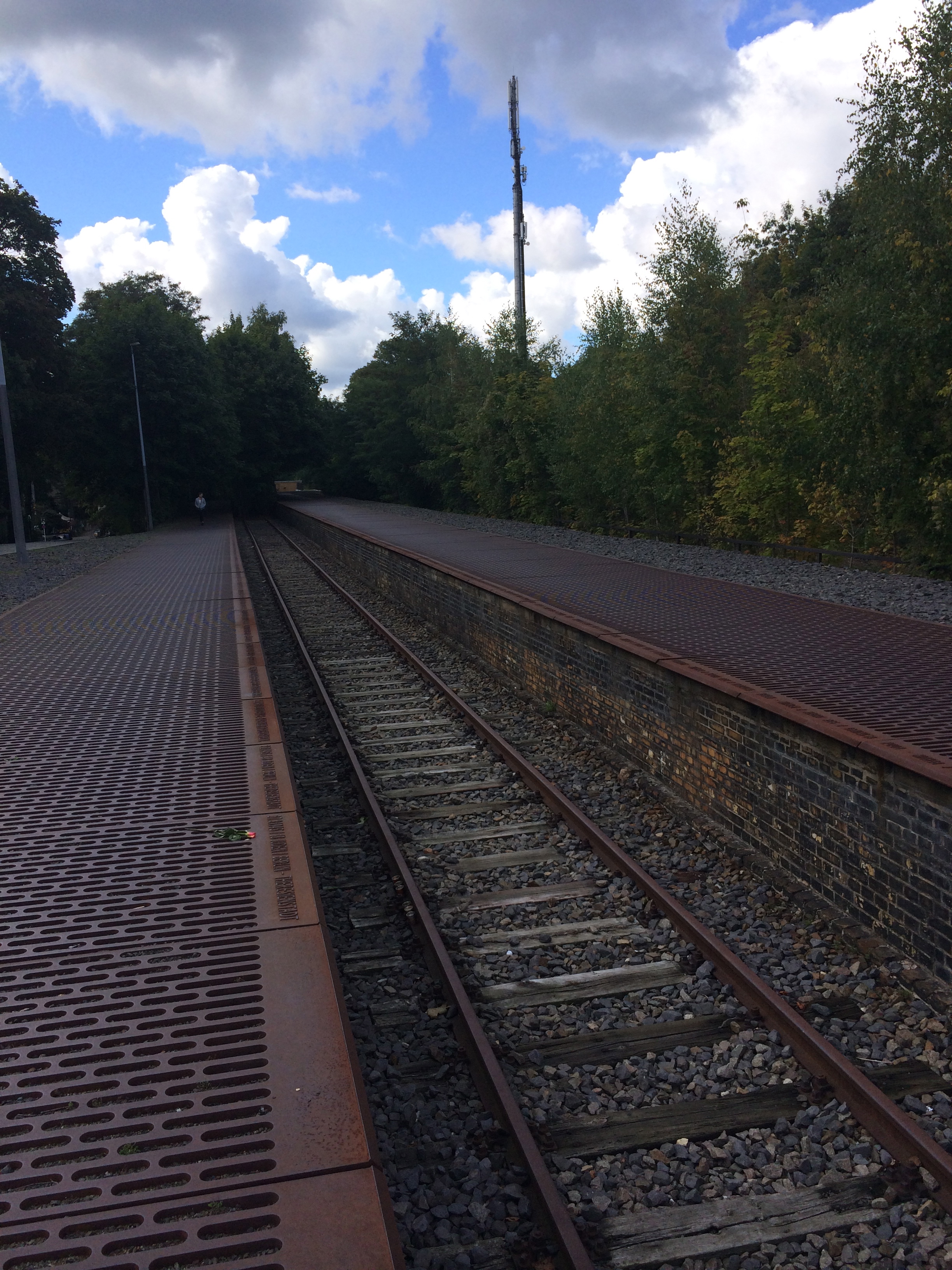
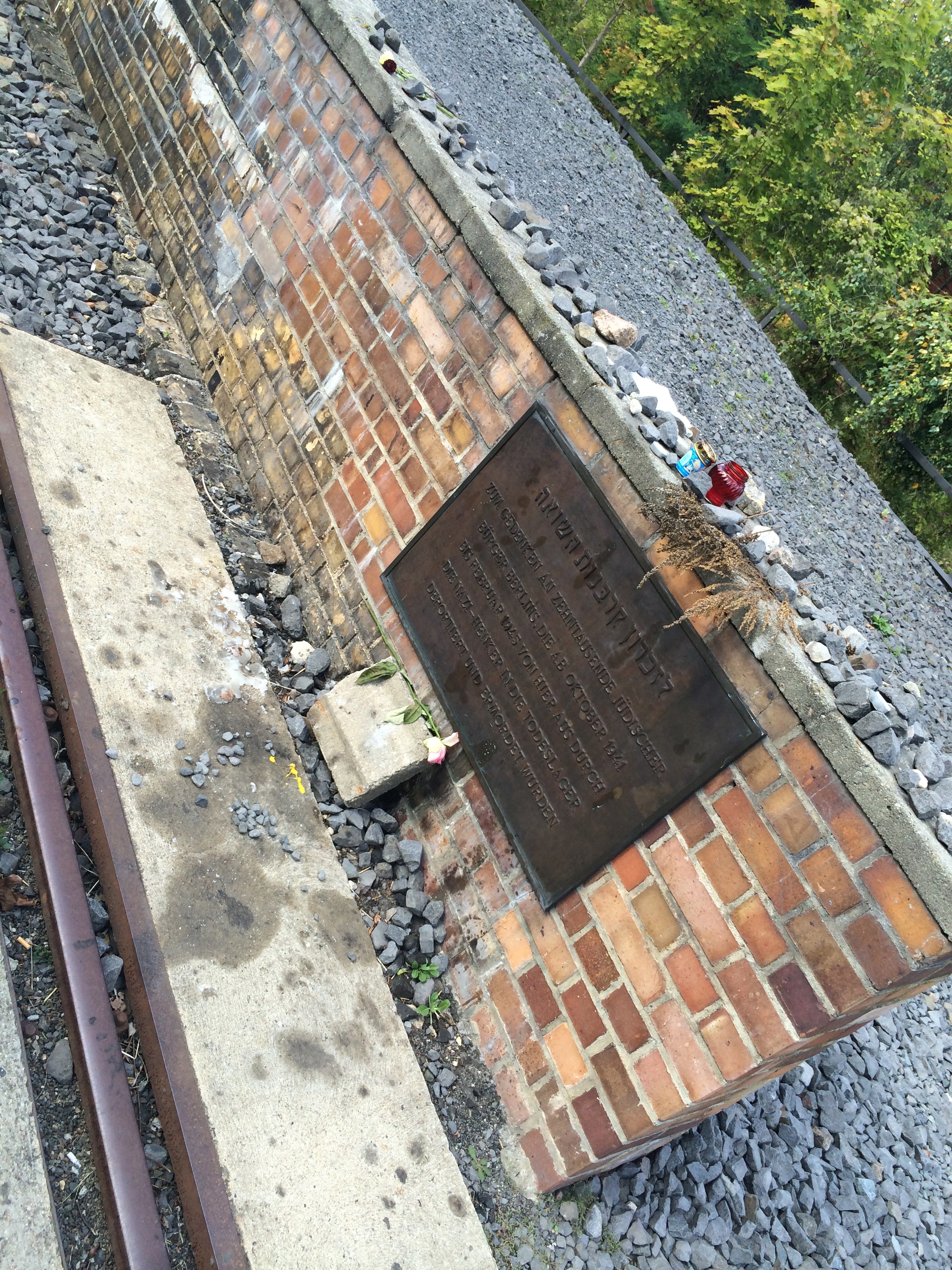
Day two we took a short train ride to Grunewald, just outside of the city. The Grunewald station was one of three main stations that deported Jews out of Berlin during the Nazi Occupation. At Gleis 17, a platform now closed at the station, lays one of the most discreet but resounding memorials I’ve experienced. Along the tracks lay iron plates, each representing a train car sent to a work or death camp with the date and number of passengers listed. The tracks are now closed, and birch trees grow in a row, standing silent over all those sent to a horrible fate from this platform.

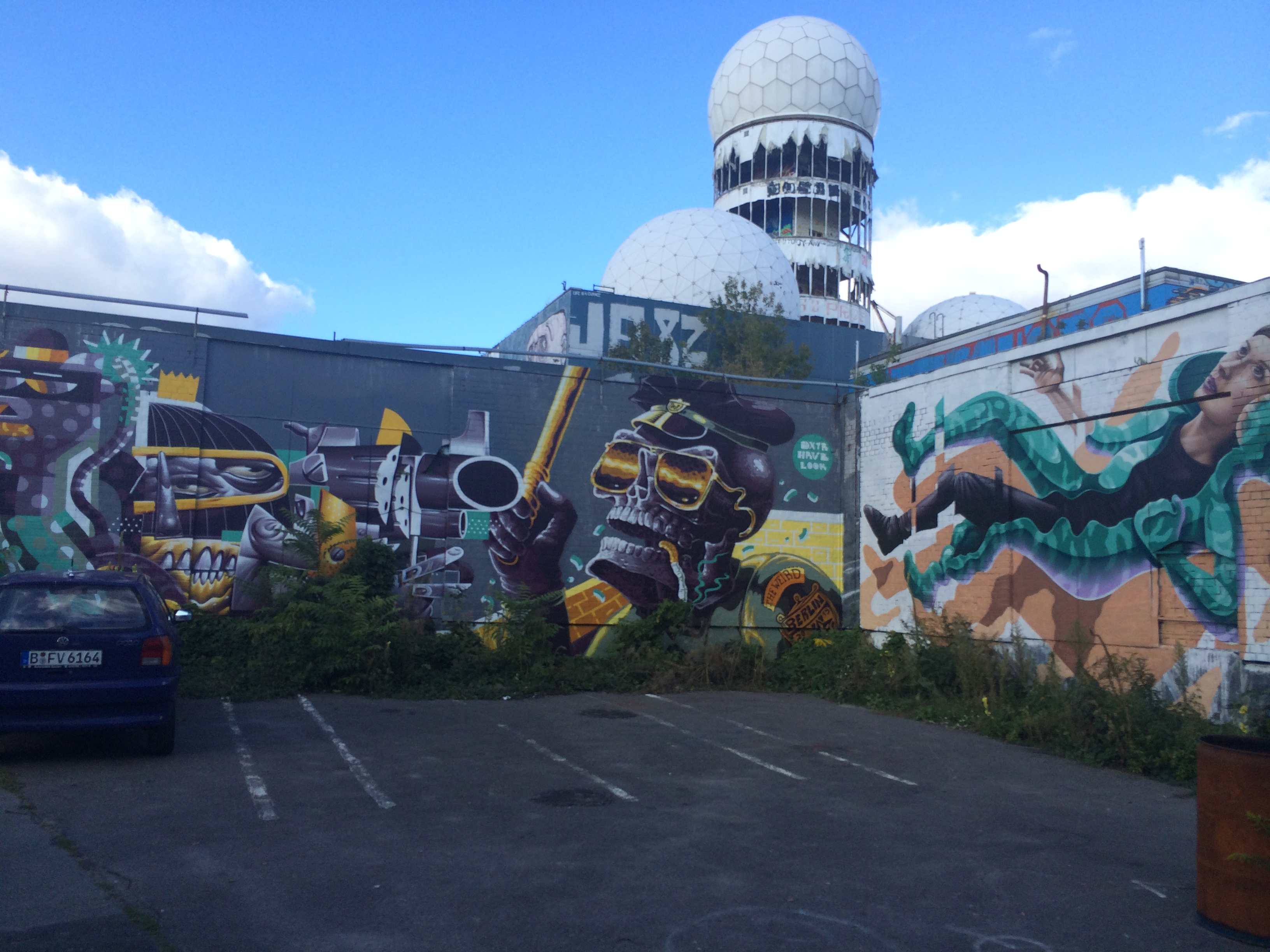
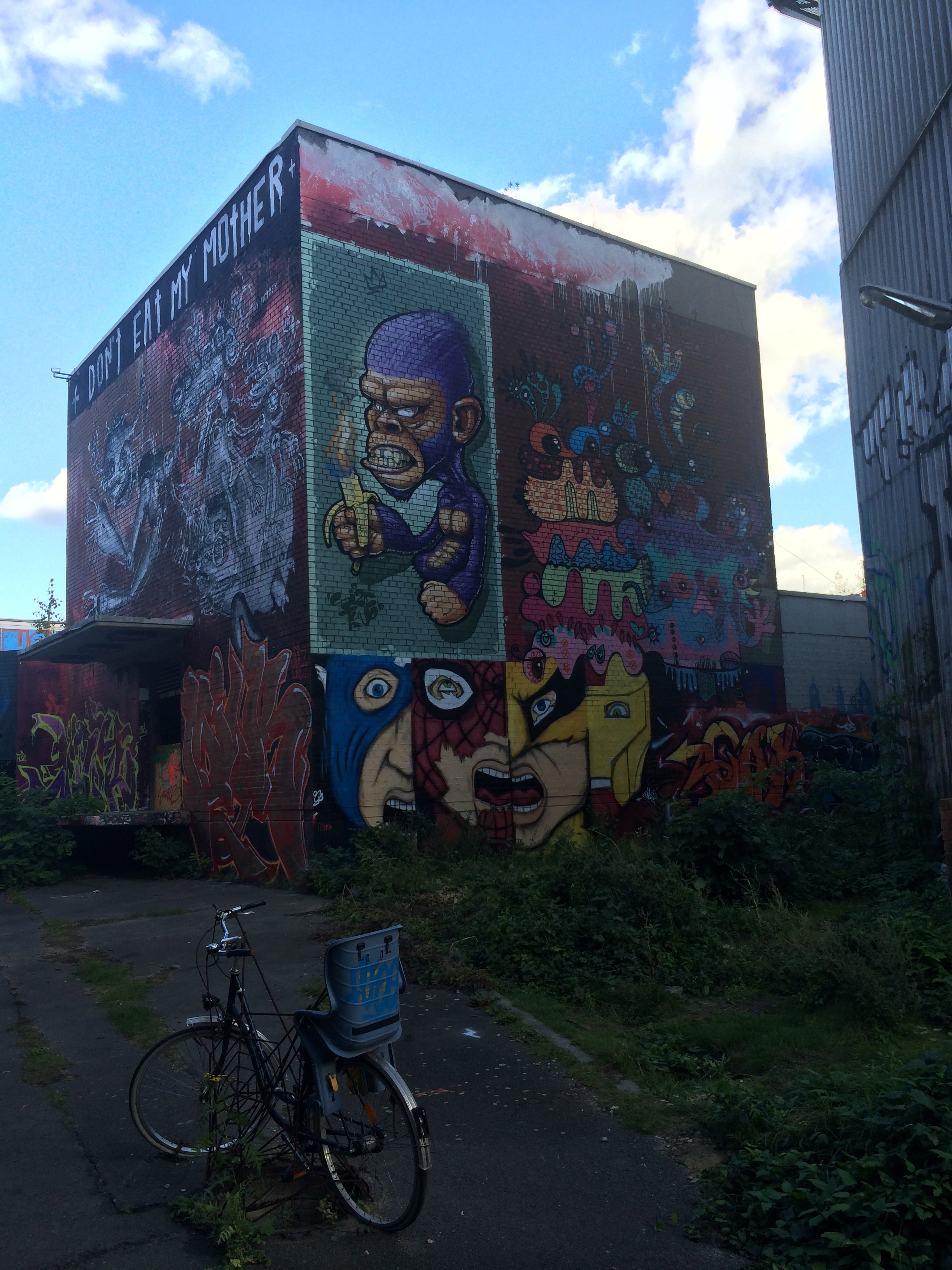
From the Grunewald station we hiked up through a lush forest to the Tuefelsberg tower, an abandoned American NSA tower from the era when Berlin was split into four sections and the Soviets ran the east. The abandoned structure now hosts hundreds of graffiti murals, giving us our first taste of the graffiti art that spans over this part of Europe. The top of the tower offers amazing views of Berlin, and the sound of motorcycle engines, from tests and photo shoots done inside the abandoned structure, never allow the place to feel too tranquil.


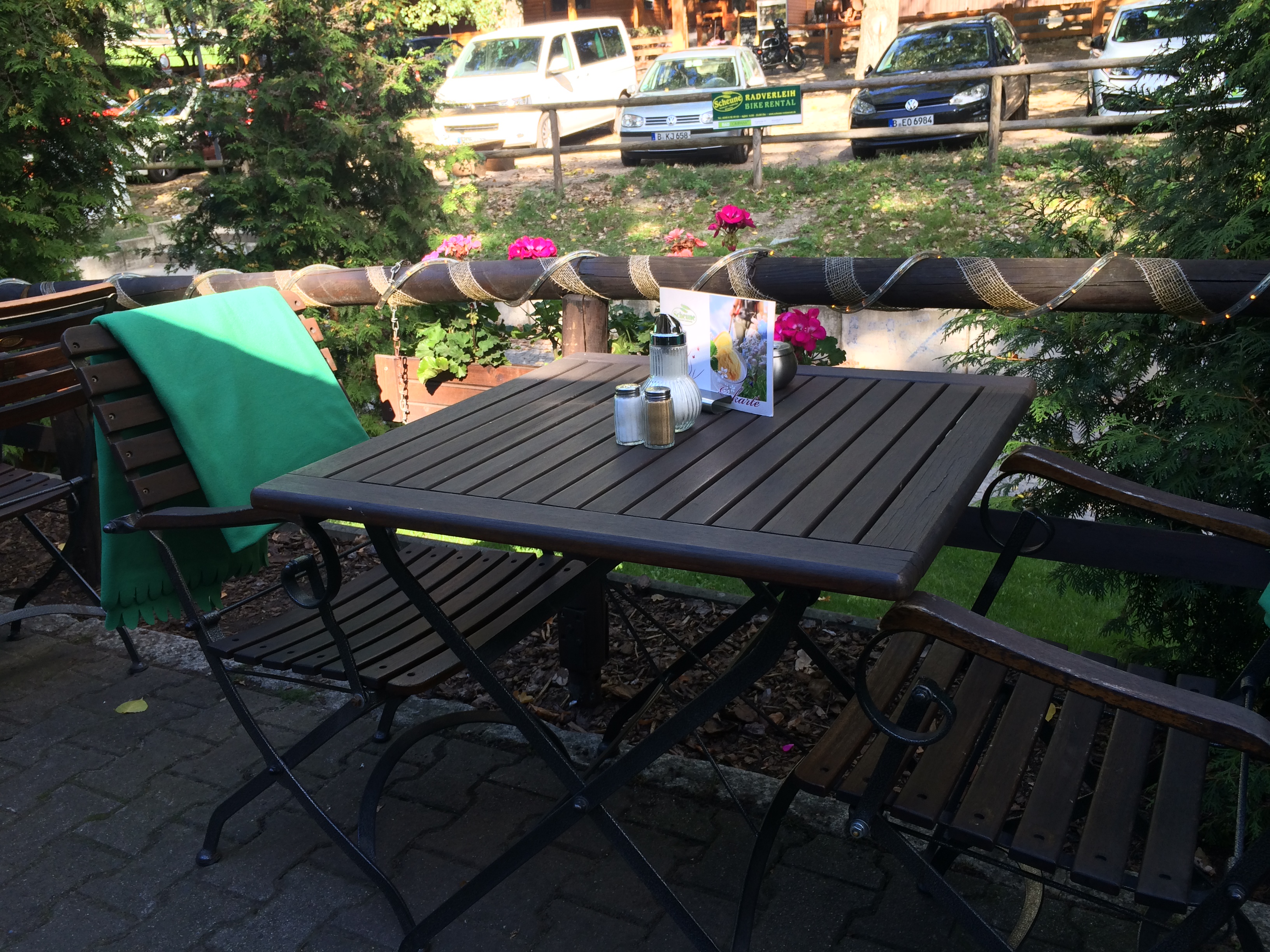
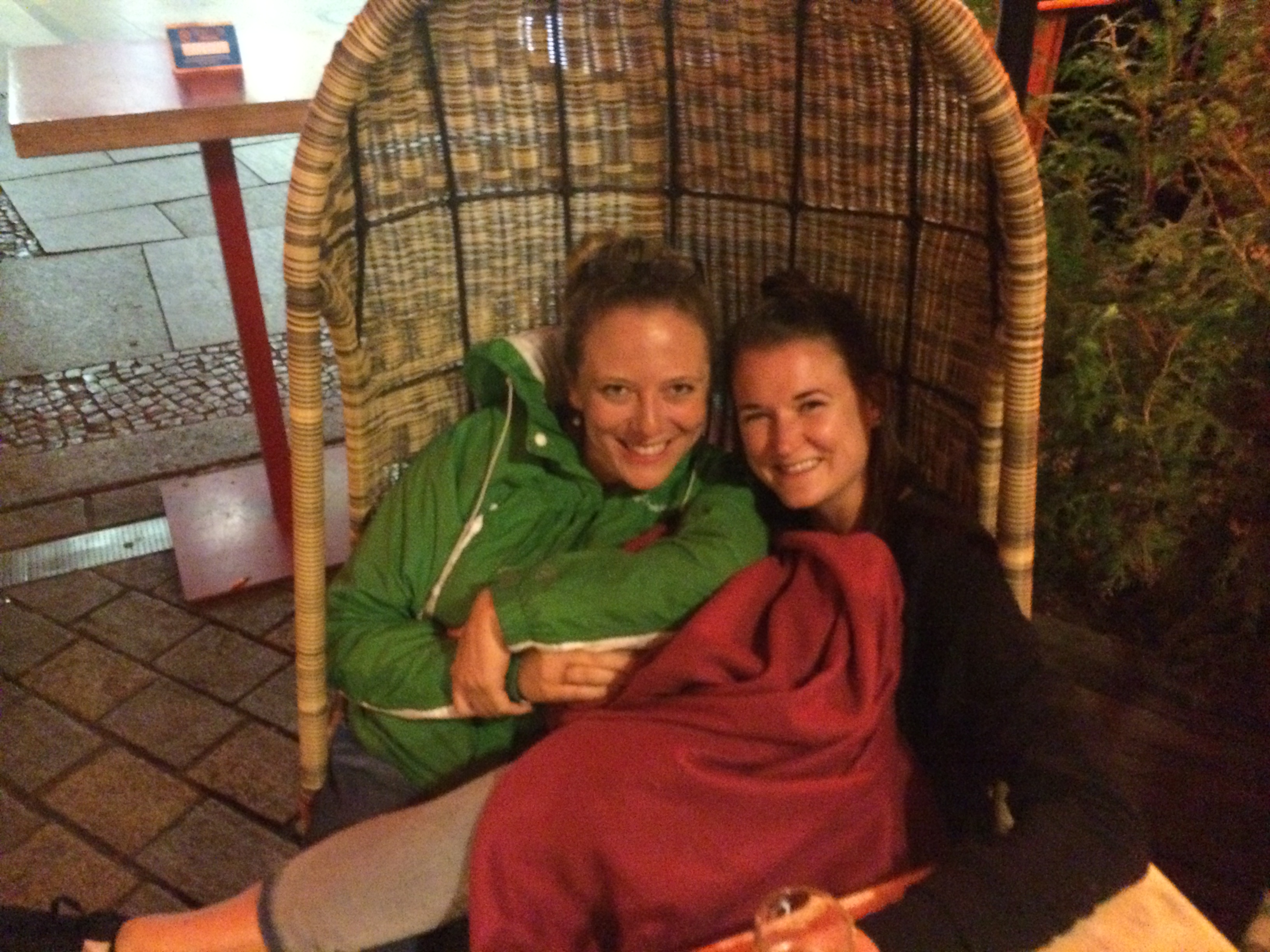
We stopped for a beer and some traditional German food on the way back. People in this part of the country love sitting out on patios, and large open patios are everywhere. However it does sometimes get chilly, so they provide blankets on the backs of chairs in restaurants and bars. They definitely came in handy for us!
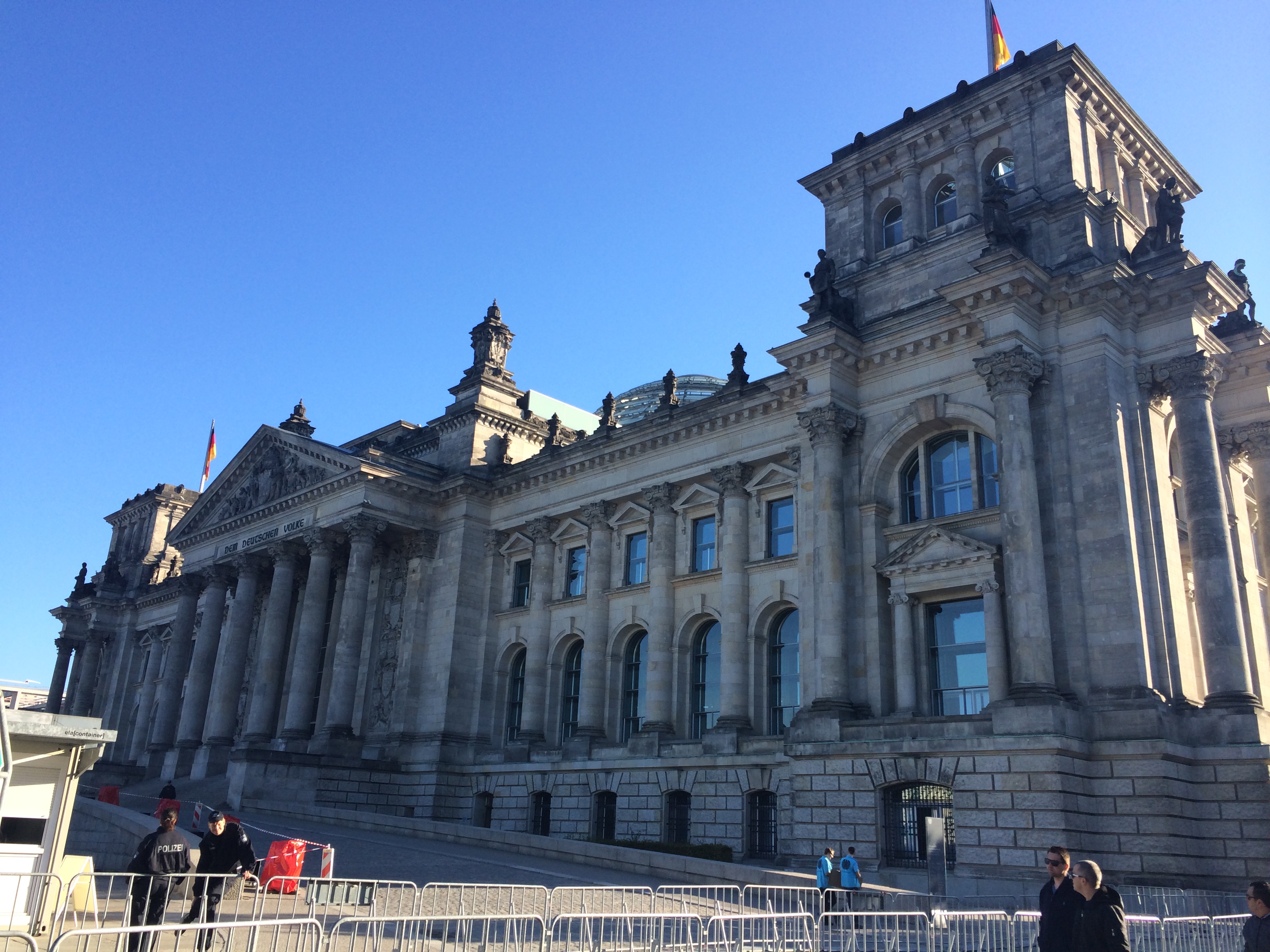
Monday we had (or thought we had) an appointment to tour the Reichstag. However, due to a scheduling error on my part, our appointment was a month too early and only got to view the state headquarters from the outside. We took the extra time to grab a coffee, do a little shopping of the famous Friedrichstrasse, and wander around the streets of downtown Berlin.
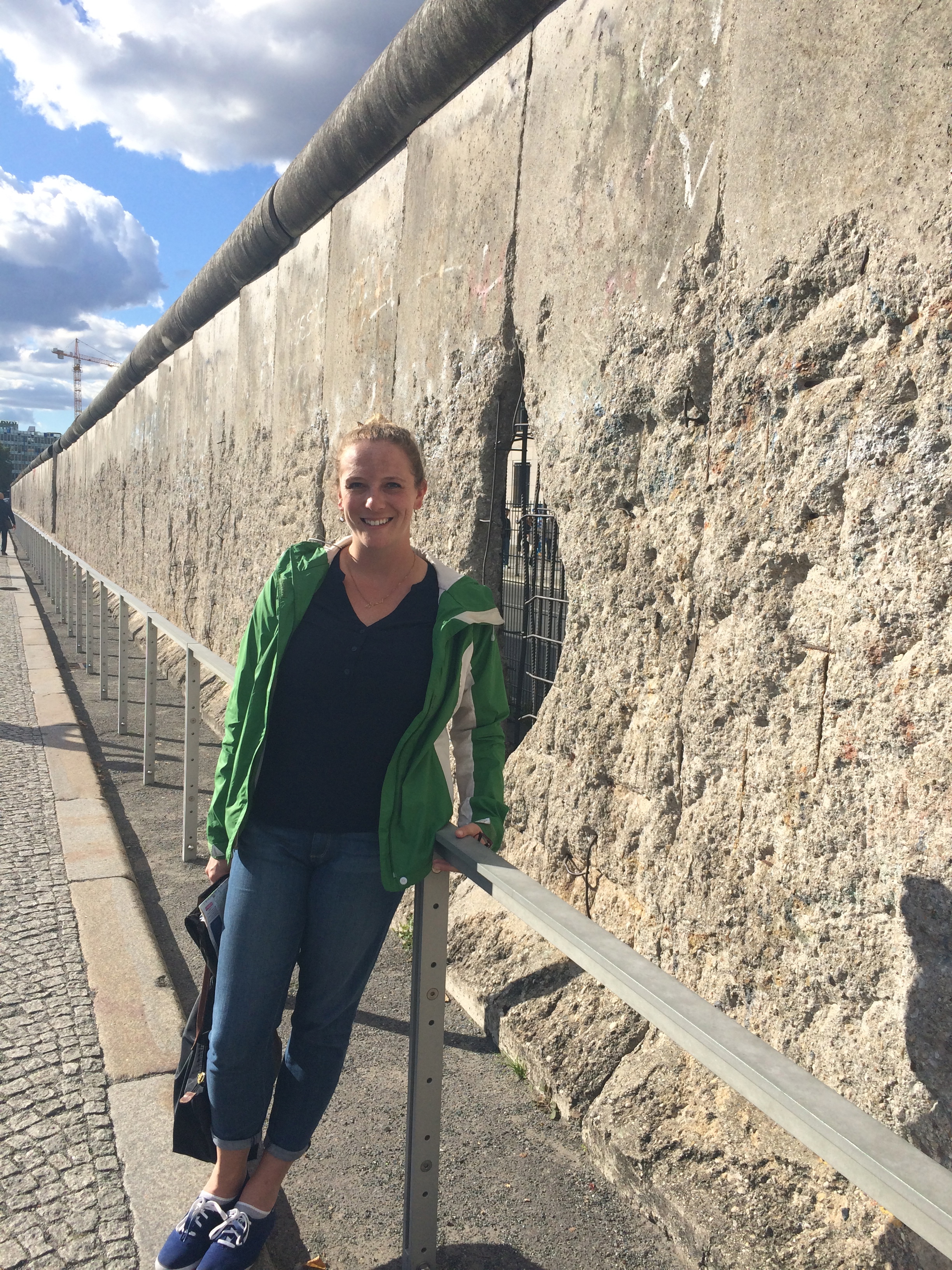
Late afternoon we headed to the Berlin Wall memorial and the Topography of Terror museum. Stretched behind on of the pieces of the Berlin wall that stands is a timeline of political and economic influences, and media propoganda that led to the rise of the Nazi party, the events of World War Two, and then the rise of communism in Berlin. It was interesting to experience newspaper clippings and events stretched out on a slow timeline, and get a glance into the minds of Berliners during the first part of the 20th century.
After walking next to a piece of the Berlin wall that still stands, it was great to enter into a gallery that preserves what it looked like in 1989. Since so much of the history experienced in Berlin, and other parts of my trip, happened farther in the past, the Berlin Wall was interesting in that it’s so recent – the wall came down during my lifetime in 1989. It hits home the importance of basic freedoms like speech and assembly, and is a reminder that the past is not always so far gone and to always stay conscientious.
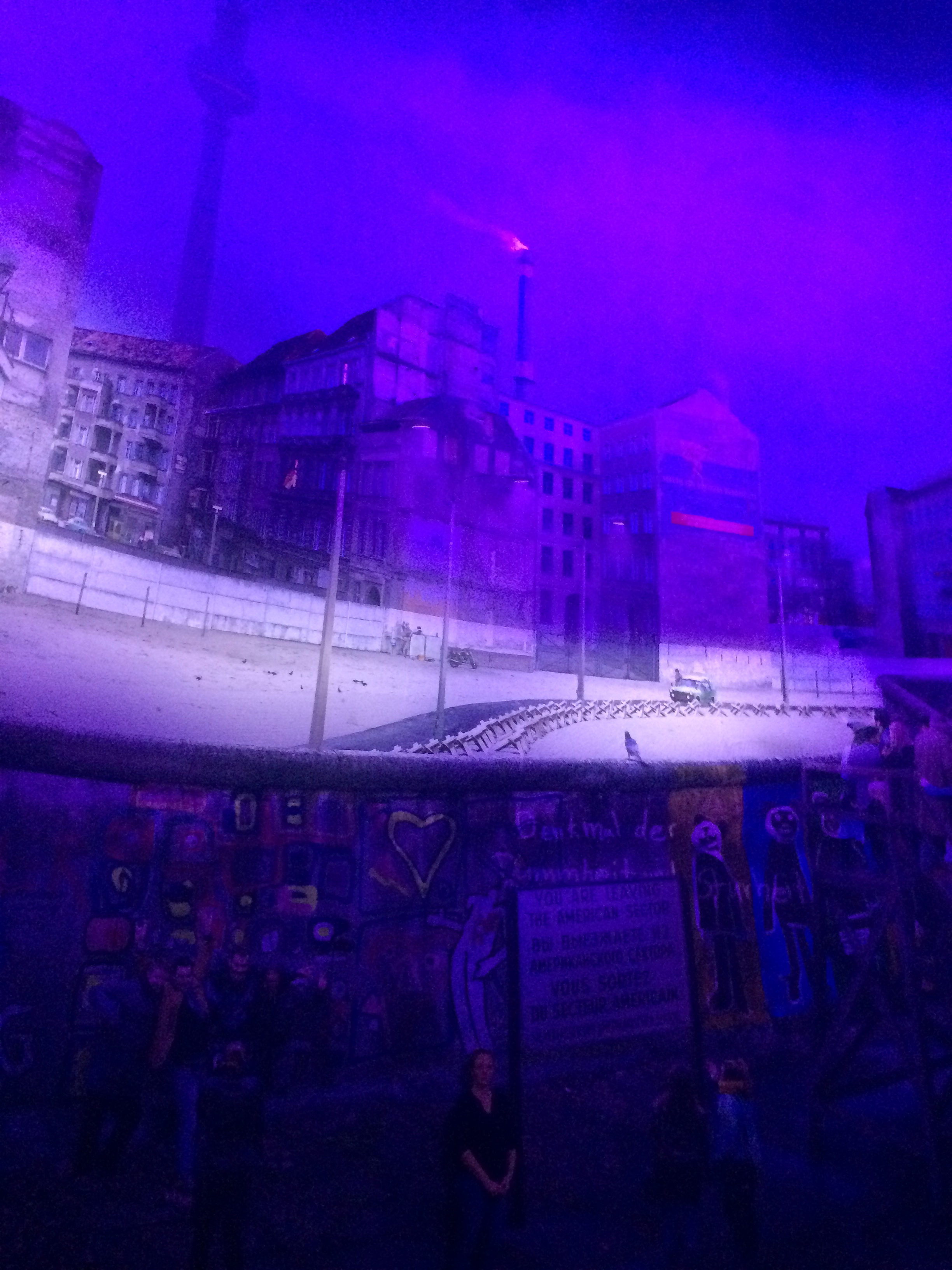
Our last day we decided to act like true Berliners and rent bikes. Berlin is designed for cyclists, with wide bike lanes, often as part of the sidewalk. Plus the city is pretty flat and not too big, so it’s easy to reach pretty much any destination on a bike. To continue our Berlin Wall education, we biked up to the last remaining section that stands as it did in 1989. It seems crazy today to think of the lengths the Soviet’s went to to keep people from emigrating from East Berlin. An inner wall, followed by a bed of nails, sand traps, armed guards with shoot to kill orders, dogs, fencing and then finally the outer wall. These guys meant business.

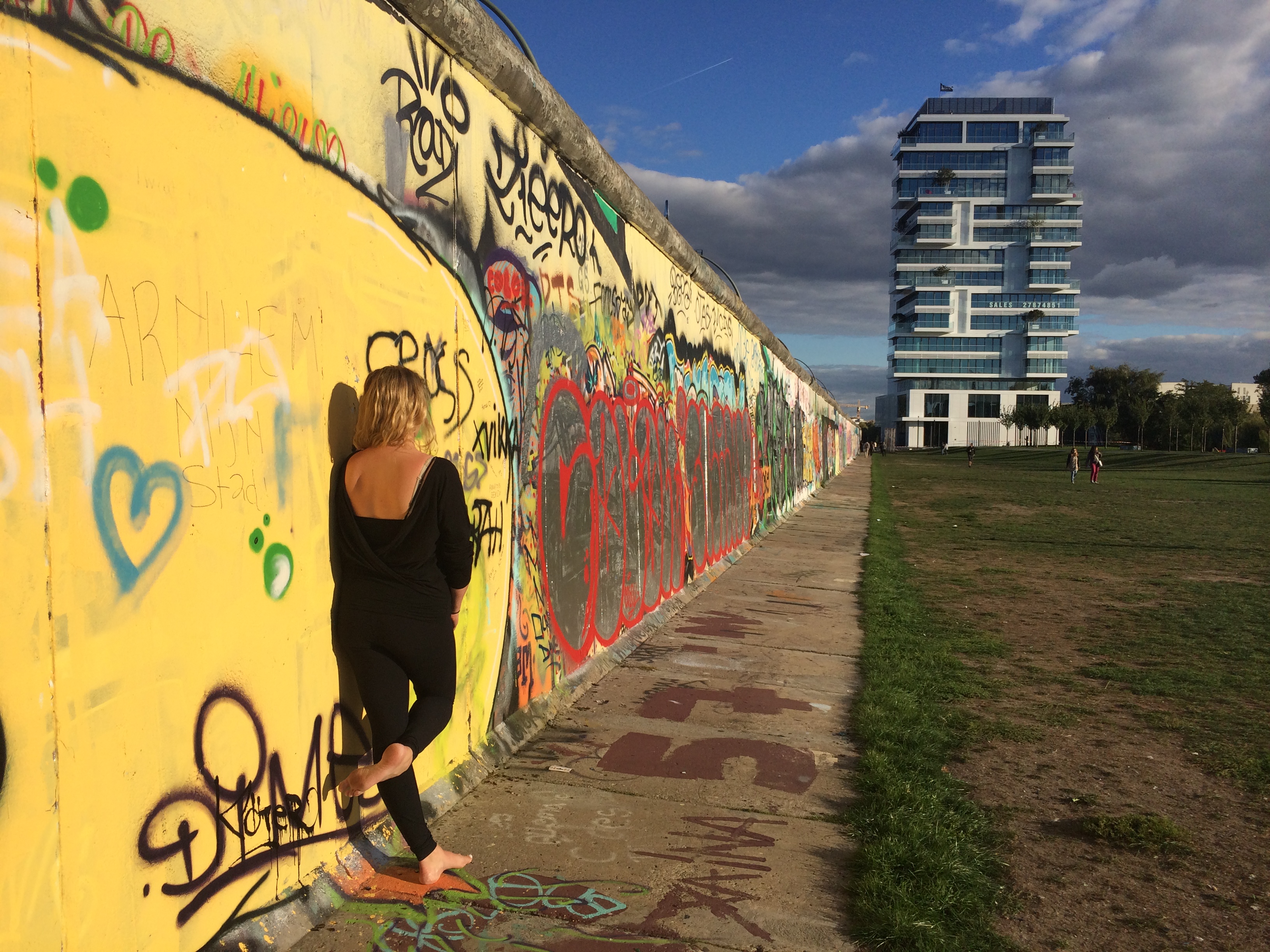
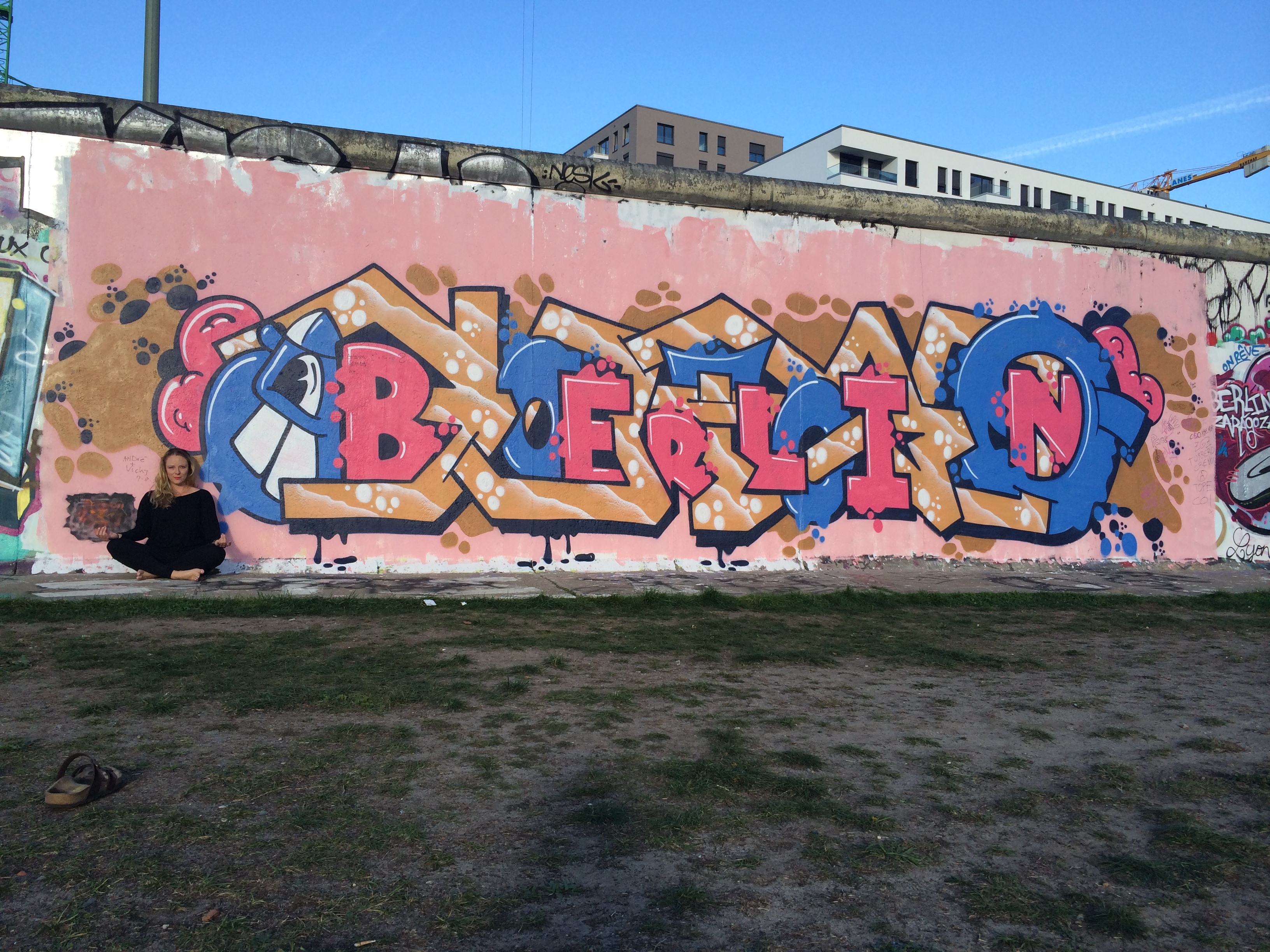
To finish our days in Berlin, we biked down to the East Side Gallery. Another section of the Berlin wall! The East Side Gallery is a piece of the wall stretched with both famous and not-so-famous graffiti art. We had some fun with a little photo shoot!

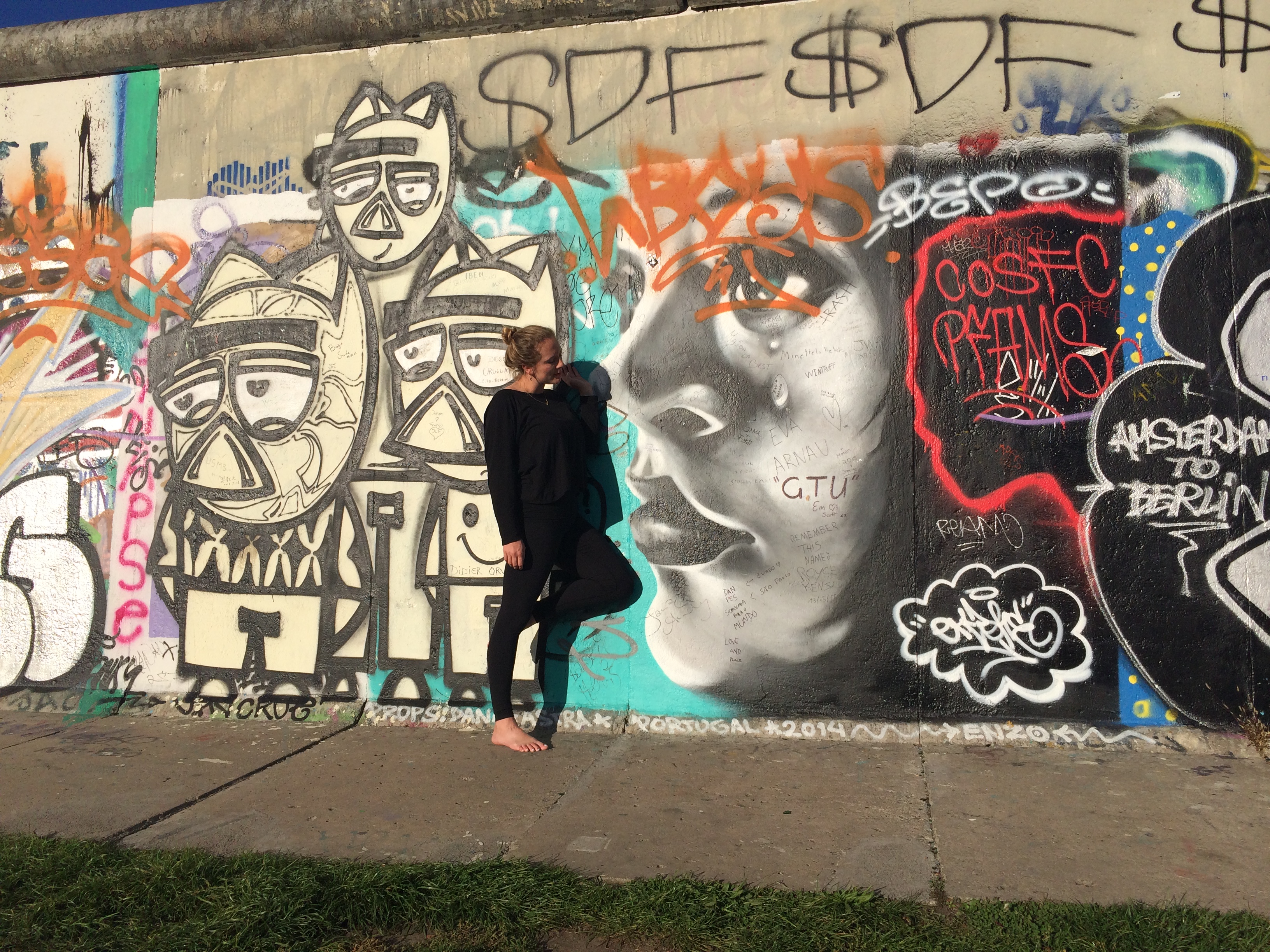
We wrapped up our time in Berlin with a chill night at the hostel, cooking dinner and mingling with other travelers from all over the world.
Danke Berlin for a great week full of history, culture and fun!
 Staaring Kyle
I enjoyed reading article about your adventure in Berlin. I, too, have great experiences of Berlin. I was in the US military, stationed at Tempelhof from 1976-78 while the wall was still in place. I have a number of pictures from that era.
I’ve since been back a couple of times, including now. I return to the US tomorrow and Berlin will always be one of my favorite cities.
Now, I go out for my final day of capturing images around thus great city.
I will post some of my my images, old and new, on my website soon.
Thanks for sharing your experience!
Mike B-
LikeLike